Transformer Types and Their Vital Real-World Applications
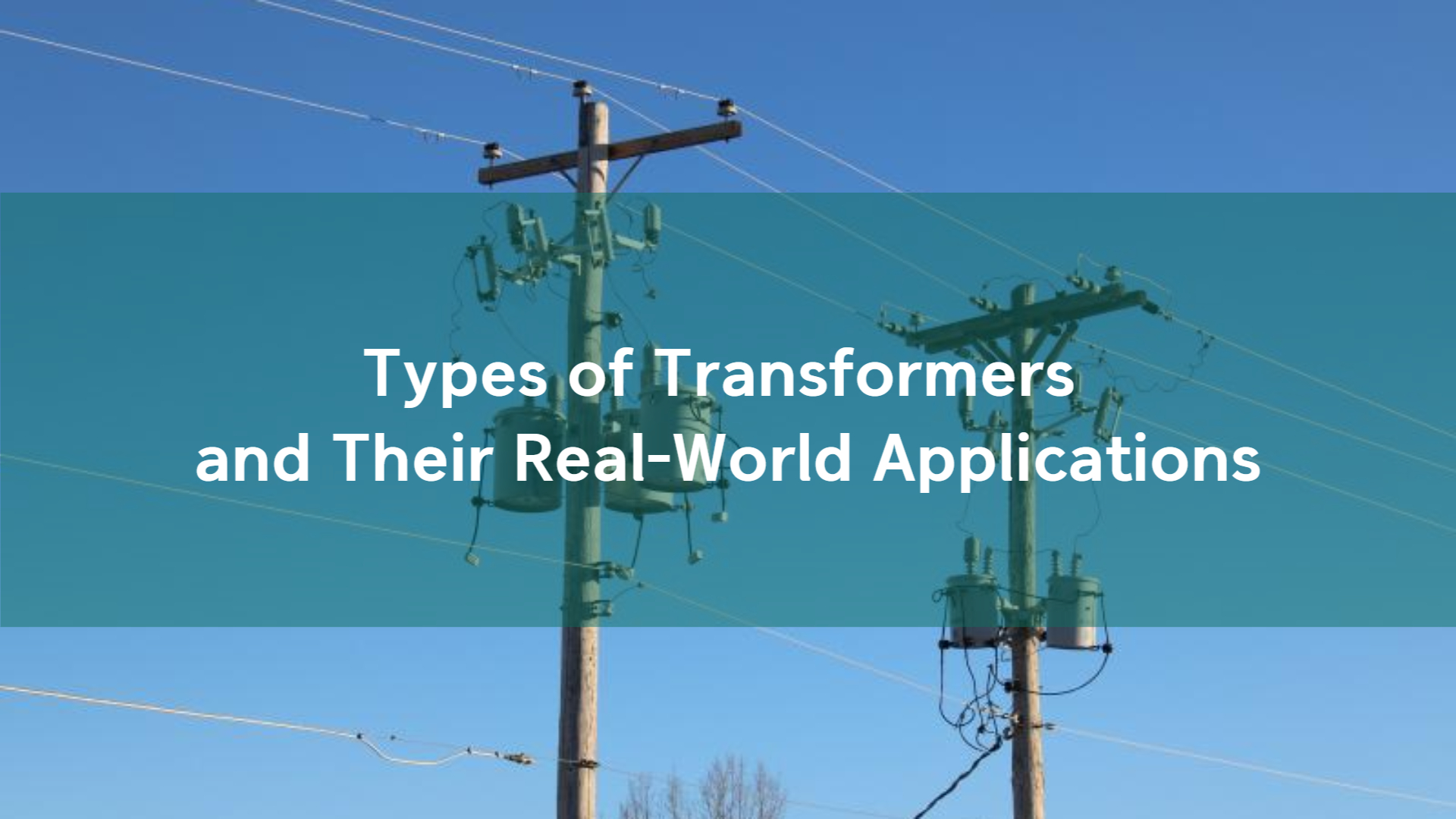
Transformer Types and Their Vital Real-World Applications
Understanding the Backbone of Electrical Power: Types of Transformers and Their Real-World Applications
In the intricate world of electrical power transmission and distribution, transformers are the unsung heroes. These static electrical devices are fundamental to ensuring that power generated at high voltages can be efficiently and safely delivered to our homes, businesses, and industries. Without transformers, the modern electrical grid as we know it would be impossible. Their ability to step up or step down voltage levels is not merely a technical convenience; it's a necessity driven by physics, economics, and safety.
As a leading B2B content expert specializing in Korean power transformer exports adhering to global standards like IEC 60076, KEPCO, and IEEE C57, we understand the critical role different transformer types play across various sectors. This article delves into the common types of transformers and explores their indispensable real-world applications, highlighting why selecting the right transformer is crucial for any electrical infrastructure project.
What is a Transformer and How Does it Work?
At its core, a transformer operates on the principle of electromagnetic induction. It consists of two or more coils of wire, known as windings, that are electrically insulated from each other but are magnetically linked by a common iron core. The primary winding is connected to an alternating current (AC) power source. As the alternating current flows through the primary winding, it creates a fluctuating magnetic field in the core. This changing magnetic field, in turn, induces an alternating voltage across the secondary winding. The ratio of the number of turns in the primary winding to the number of turns in the secondary winding determines whether the voltage is stepped up (increased) or stepped down (decreased).
This simple yet elegant principle allows for efficient long-distance power transmission. High voltages minimize current, thereby reducing power loss due to resistance (P = I²R). Once the power reaches its destination, transformers step down the voltage to safe and usable levels for various applications.
Key Types of Transformers and Their Applications
Transformers can be broadly classified based on several factors, including their construction, cooling method, and function. However, the most common and impactful classification for understanding their applications is based on their voltage-changing function and their placement within the power grid.
1. Power Transformers
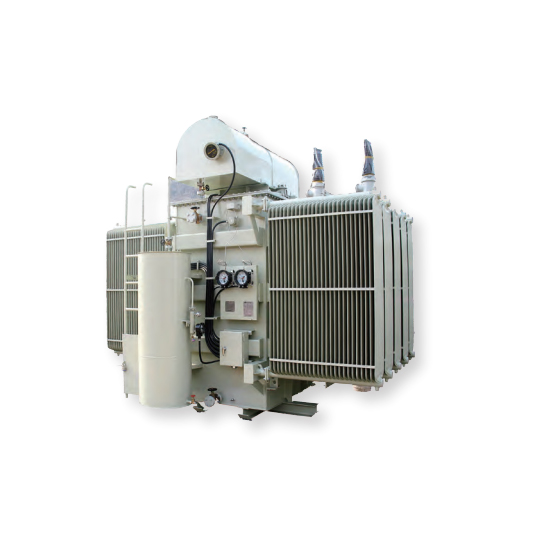
Power transformers are the giants of the transformer world, designed to operate at high voltages and high load conditions. They are primarily used in power generation plants and transmission substations to step up the voltage generated by alternators to very high levels for efficient long-distance transmission. Conversely, they are used in receiving substations to step down this high transmission voltage to sub-transmission or distribution levels.
- Key Characteristics: High voltage ratings (up to 765 kV or higher), high power ratings (MVA range), typically oil-cooled (ONAN, ONAF, OFAF), robust construction for continuous operation under heavy loads.
- Real-World Applications:
- Power Generation Plants: Stepping up generator output voltage (e.g., 11 kV, 33 kV) to transmission voltages (e.g., 132 kV, 230 kV, 400 kV, 765 kV) for efficient long-distance transport.
- Transmission Substations: Reducing transmission voltages to sub-transmission levels for regional distribution.
- Large Industrial Facilities: Receiving power at high voltages and stepping it down to levels required for heavy machinery.
2. Distribution Transformers
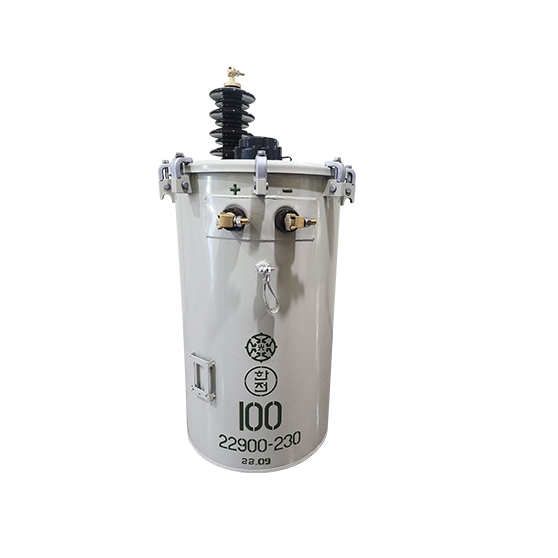
Distribution transformers are the workhorses that bring electricity from the high-voltage transmission network down to the lower voltages used by consumers. They are typically found at local substations or pole-mounted in neighborhoods and commercial areas. These transformers operate under fluctuating load conditions, as power demand varies throughout the day.
- Key Characteristics: Lower voltage ratings than power transformers (e.g., 11 kV, 33 kV down to 400 V, 240 V), smaller power ratings (kVA range), often oil-filled but can also be dry-type, designed for efficiency at varying loads.
- Real-World Applications:
- Residential Areas: Pole-mounted or pad-mounted transformers supplying electricity to homes (e.g., 240V/120V).
- Commercial Buildings: Supplying power to offices, retail stores, and other businesses.
- Light Industrial Areas: Powering smaller factories and workshops.
3. Instrument Transformers
Instrument transformers are crucial for measurement and protection within the electrical grid. They are designed to provide accurately scaled-down replicas of the high currents and voltages present in the system, allowing protective relays and measuring instruments to operate safely and effectively.
There are two main types of instrument transformers:
- a) Current Transformers (CTs):Key Characteristics: The secondary winding has many turns, and the primary winding has very few turns (sometimes just the main conductor passing through the core). They are always connected in series with the line carrying the current to be measured. Designed to maintain a very accurate ratio between the primary and secondary current, regardless of the primary current magnitude (within limits).
- Real-World Applications: Measuring current for ammeters, wattmeters, energy meters, and providing current signals to protective relays (e.g., overcurrent, differential relays).
- b) Potential Transformers (PTs) / Voltage Transformers (VTs):Key Characteristics: Similar in construction to small power transformers, but designed to accurately step down high voltages to a standard low value (e.g., 110V, 100V) for measurement. They are connected in parallel across the line. Their primary function is to provide a low-voltage signal proportional to the system voltage.
- Real-World Applications: Measuring voltage for voltmeters, frequency meters, synchronoscopes, and providing voltage signals to protective relays (e.g., undervoltage, overvoltage relays).
4. Autotransformers
An autotransformer is a special type of transformer that uses a single winding with taps to provide voltage transformation. Unlike conventional transformers, there is no electrical isolation between the primary and secondary circuits; they are connected electrically. This single winding acts as both the primary and secondary winding.
- Key Characteristics: Lighter, smaller, and more efficient than a two-winding transformer of the same rating due to the shared winding. However, they offer less isolation and can be less safe in certain applications.
- Real-World Applications:
- Variable Voltage Supplies: Used in adjustable voltage regulators (Variacs) for laboratory testing and industrial processes requiring precise voltage control.
- Interconnecting Power Systems: Used to connect systems with slightly different voltage levels (e.g., interconnecting 132 kV and 110 kV systems).
- Starting Large Motors: Used to reduce the starting voltage applied to induction motors, limiting inrush current.
5. Special Purpose Transformers
Beyond the main categories, numerous specialized transformers cater to niche but critical applications:
- Welding Transformers: Designed to provide high current at a low voltage suitable for electric arc welding.
- Isolation Transformers: Used purely for safety. They have a 1:1 voltage ratio and provide galvanic isolation between the primary and secondary circuits, preventing shocks and reducing noise transmission. Common in medical equipment and sensitive electronics.
- Rectifier Transformers: Used in conjunction with rectifiers to convert AC to DC power for applications like electrolysis, electroplating, and DC motor drives. They are designed to handle the harmonics introduced by rectifiers.
- Furnace Transformers: High-current, low-voltage transformers designed to power industrial electric arc furnaces for metal smelting.
The Importance of Quality and Standards in Transformer Selection
The reliability and efficiency of an electrical system hinge on the quality of its transformers. For B2B clients in the power sector, selecting transformers that meet stringent international standards like IEC 60076, Korean standards set by KEPCO (Korea Electric Power Corporation), and American standards like IEEE C57 is paramount. These standards ensure:
- Safety: Transformers are designed to withstand operating stresses and prevent failures that could lead to accidents.
- Reliability: Compliance with standards ensures long service life and minimal downtime.
- Efficiency: Modern standards promote designs that minimize energy losses, leading to cost savings and reduced environmental impact.
- Interoperability: Adherence to global standards facilitates integration into existing and future power infrastructure.
Korean manufacturers, renowned for their technological prowess and commitment to quality, offer a wide range of transformers that meet these demanding specifications. Whether you require robust power transformers for grid expansion, reliable distribution transformers for urban development, or precise instrument transformers for sophisticated protection schemes, investing in high-quality, standards-compliant equipment is a strategic decision.
Conclusion
Transformers are fundamental components of the global electrical infrastructure, enabling the efficient and safe flow of power. From the colossal power transformers stepping down voltages in major substations to the compact distribution transformers powering our neighborhoods and the specialized instrument transformers safeguarding the grid, each type plays a vital role. Understanding the distinctions between these transformer types and their specific applications is key to designing, building, and maintaining a reliable and efficient electrical system. By prioritizing quality, adhering to international standards like IEC 60076 and IEEE C57, and leveraging the expertise of trusted manufacturers, industries worldwide can ensure the stable and sustainable delivery of electrical power for generations to come.
Recommended Products
Discover related products from our store
Read Next
Continue reading related articles curated for you.
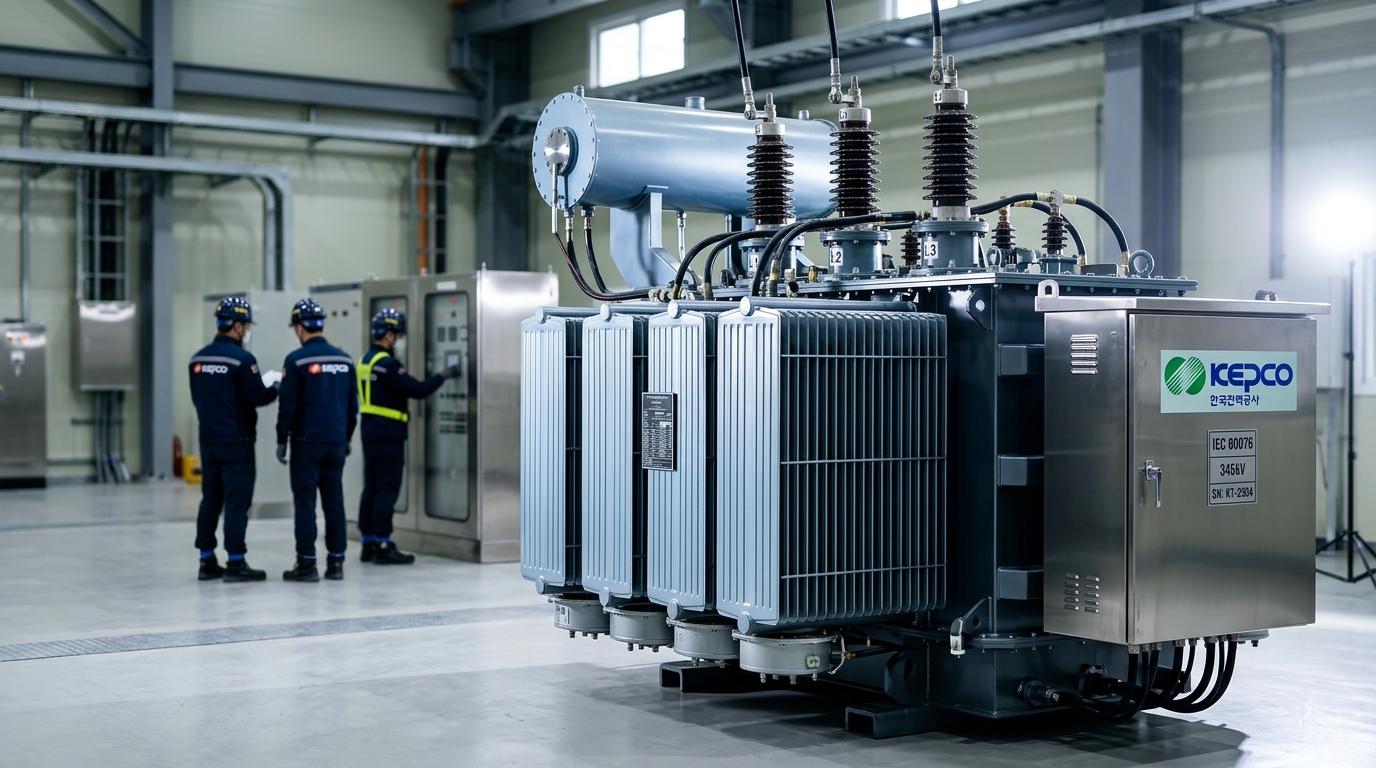
How Electricity Travels: The Essential Role of Power Transformers
A comprehensive guide on electricity's journey from generation to consumption, highlighting the indispensable role of power transformers in ensuring efficient, reliable transmission and distribution across global grids. Critical for B2B stakeholders.
Read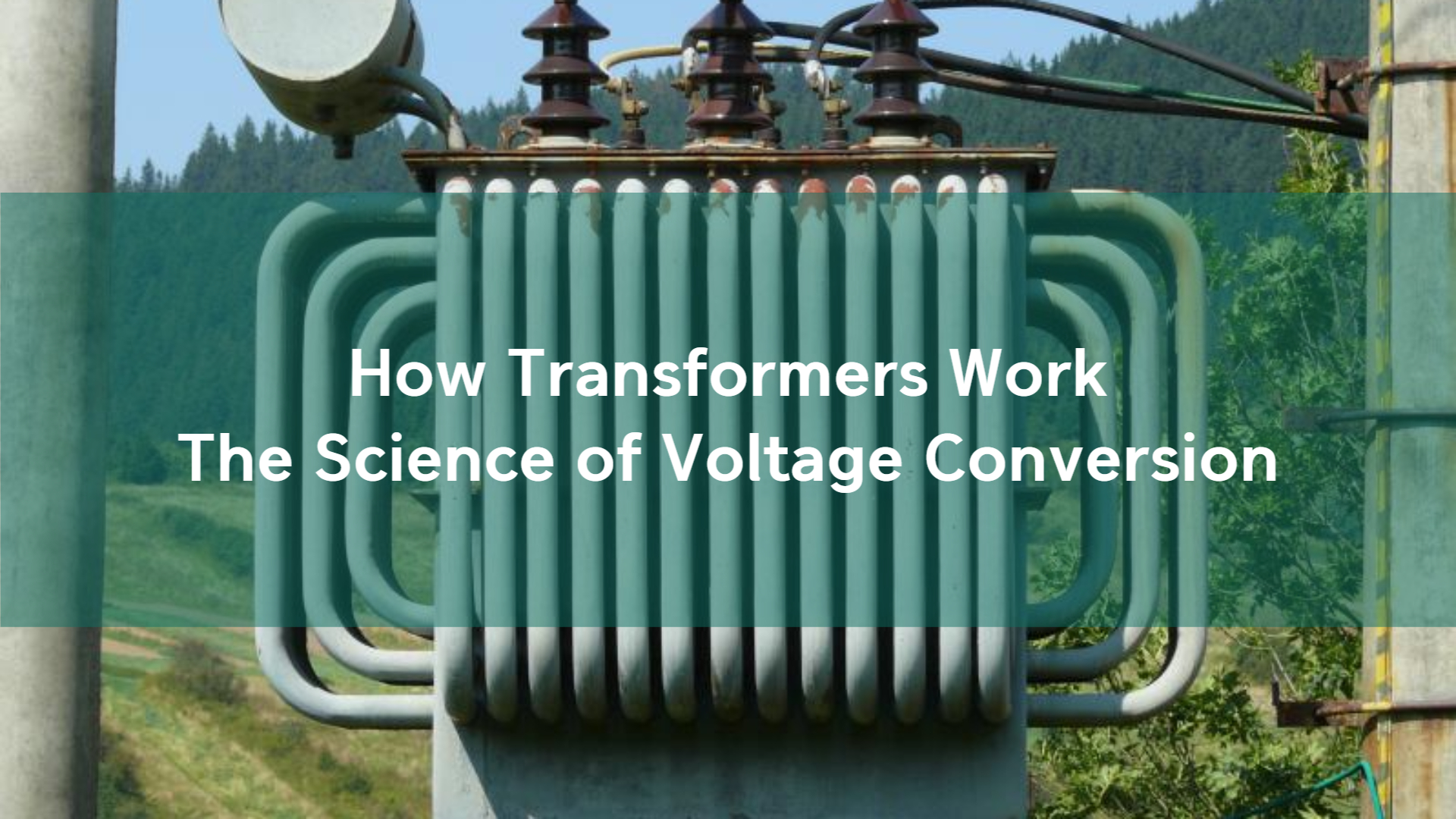
How Transformers Work: The Science of Voltage Conversion
Discover the science behind voltage conversion. Learn how transformers use electromagnetic induction to step up or down AC voltage efficiently, essential for modern power grids.
Read