What Is a Transformer? Your Essential Guide to Powering the World
What Is a Transformer? Your Essential Guide to Powering the World
In the vast, interconnected world of electrical infrastructure, few components are as fundamental and indispensable as the transformer. If you've ever wondered what is a transformer and how transformers work, you're in the right place. This guide is designed for beginners in the B2B power sector—from junior engineers and procurement specialists to project managers and utility trainees. We'll demystify this critical device, explaining its function, key components, and vital role in delivering electricity across vast distances, all while adhering to rigorous international standards like IEC 60076 and IEEE C57.
At its core, a transformer is an electrical device that transfers electrical energy between two or more circuits through electromagnetic induction, without changing the frequency. Its primary purpose is to either increase (step-up) or decrease (step-down) voltage levels. This ability is crucial for the efficient and safe transmission and distribution of electrical power, making the transformer a silent workhorse behind every light switch and industrial operation.
Understanding the Basics: How Transformers Work
The operational principle behind a transformer is elegantly simple, rooted in Michael Faraday's law of electromagnetic induction. To grasp how transformers work, consider these fundamental elements:
- Primary Winding: This coil is connected to the input alternating current (AC) power source. When current flows through it, it generates a magnetic field.
- Secondary Winding: This coil is physically separate but magnetically linked to the primary winding, typically around a shared magnetic core.
- Magnetic Core: Made of laminated soft iron, this core provides a low-reluctance path for the magnetic flux. It efficiently channels the magnetic field generated by the primary winding to the secondary winding.
When an alternating current flows through the primary winding, it creates a fluctuating magnetic field in the core. This changing magnetic field then induces an electromotive force (EMF), or voltage, in the secondary winding. The ratio of the number of turns in the primary winding to the number of turns in the secondary winding determines whether the voltage is stepped up or stepped down. More turns in the secondary coil mean a higher output voltage (step-up transformer), while fewer turns result in a lower output voltage (step-down transformer).
The Indispensable Role of Voltage Transformation
Why is this voltage transformation so vital? Imagine transmitting electricity from a power plant hundreds of kilometers away. If power were transmitted at the low voltages used in homes and businesses, enormous amounts of energy would be lost as heat due to resistance in the transmission lines. Transformers step-up voltage to extremely high levels (e.g., hundreds of kilovolts) for long-distance transmission, dramatically reducing current and thus minimizing energy losses. Upon nearing consumption points, other transformers then step-down the voltage to safer, usable levels for industrial, commercial, and residential applications.
Key Components of a Power Transformer
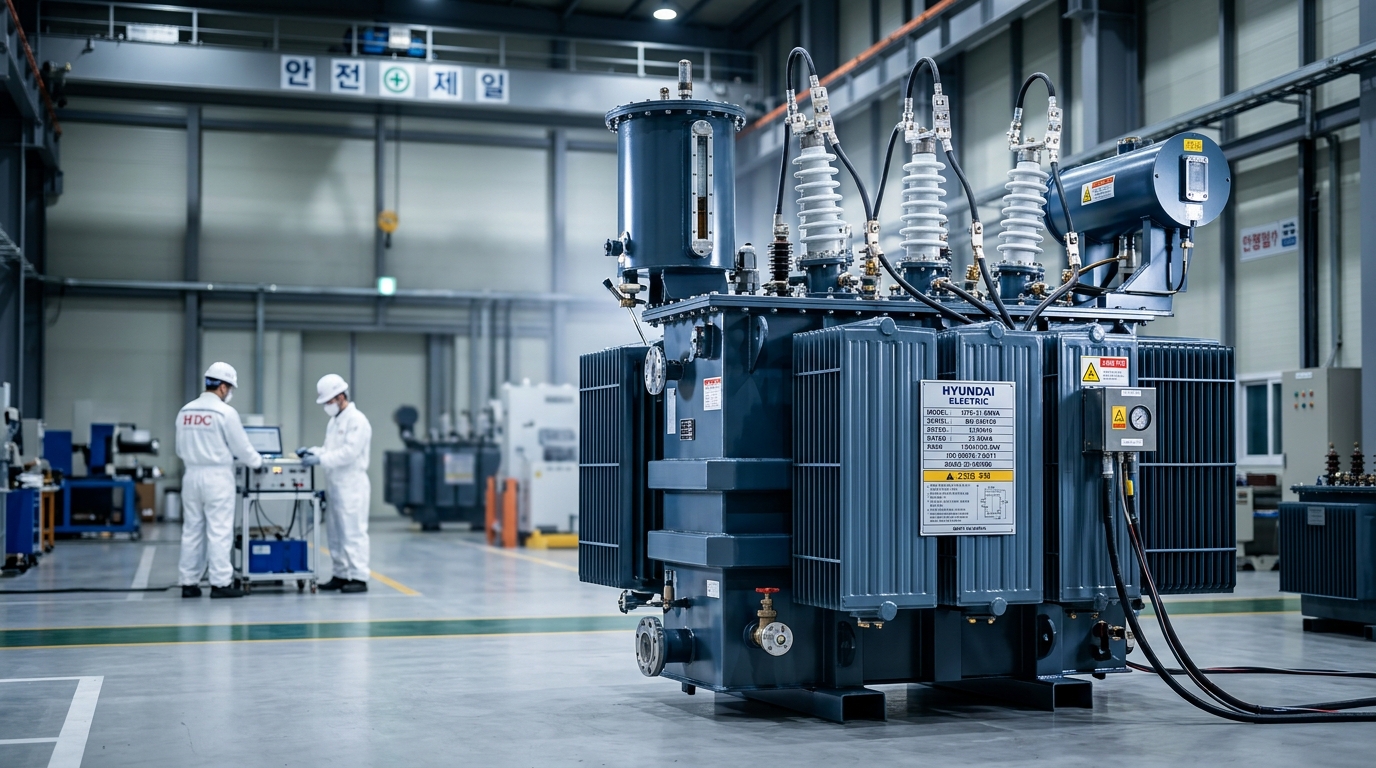
While the basic principle is simple, a modern power transformer explained in detail reveals a sophisticated assembly of components, each playing a critical role in its safe and efficient operation. For those involved in B2B procurement and specification, understanding these parts is essential for evaluating quality and reliability, particularly when sourcing transformers built to standards like IEC 60076.
- Windings: Typically copper or aluminum coils, these are the primary and secondary circuits. They must be robustly insulated to prevent short circuits and withstand operational stresses.
- Core: As mentioned, it channels the magnetic flux. Advanced core designs minimize eddy currents and hysteresis losses for greater efficiency.
- Tank: A robust steel enclosure that houses the core and windings, often filled with insulating oil.
- Insulating Oil: In oil-filled transformers, special mineral or synthetic oil serves two main purposes: it insulates the windings and core, and it dissipates heat generated during operation.
- Bushings: Insulated conductors that allow electrical connections to pass through the transformer's tank while maintaining electrical isolation.
- Cooling System: Essential for dissipating the heat generated by electrical losses. This can include natural air cooling, oil-immersed natural air cooling (ONAN), forced air (OFAF), or forced oil (ODAF/OFAF) systems for larger units.
- Tap Changer: A mechanism that adjusts the turns ratio to regulate the output voltage, compensating for input voltage fluctuations or load changes. These can be Off-Circuit Tap Changers (OCTC) or On-Load Tap Changers (OLTC).
- Conservator Tank: A separate tank above the main tank in oil-filled transformers that allows for expansion and contraction of the insulating oil due to temperature changes, preventing air from coming into direct contact with the main tank oil.
- Radiators: Fins attached to the tank that increase the surface area for heat dissipation, crucial for efficient cooling.
- Protection Devices: Include pressure relief devices, Buchholz relays (for gas detection in oil), temperature indicators, and sudden pressure relays to ensure safe operation.
Types of Transformers and Their Applications
Transformers come in various types, each designed for specific applications within the electrical grid and industrial settings. Understanding these classifications is key for effective B2B strategy and deployment.
Power Transformers vs. Distribution Transformers
- Power Transformers: These are large, high-voltage units used in power generation stations and transmission substations. They step up voltage for long-distance transmission and then step it down at major substations. They handle significant power capacities and are designed for continuous full-load operation.
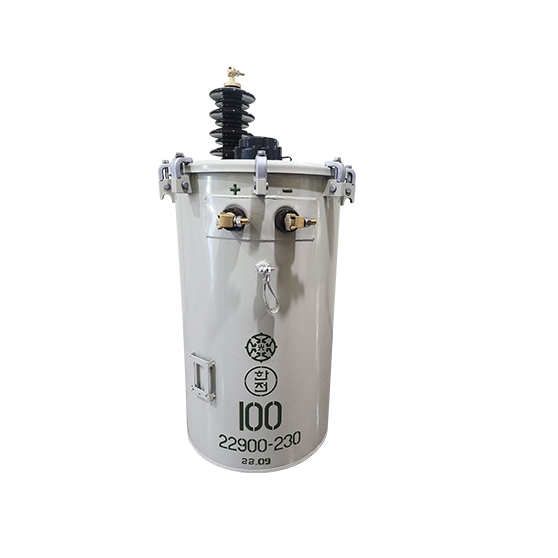
- Distribution Transformers: Smaller in size and capacity, these transformers are located closer to end-users (e.g., on utility poles or in underground vaults). They step down the voltage from the sub-transmission lines to levels usable by homes and businesses.
Other Common Classifications
- Instrument Transformers (Current & Potential): Used to safely measure high currents and voltages in power systems by stepping them down to measurable levels for meters and relays.
- Dry-Type Transformers: Use air or other gas as a cooling medium instead of oil. Often used indoors or in environments where fire safety is a critical concern, such as commercial buildings or industrial plants.
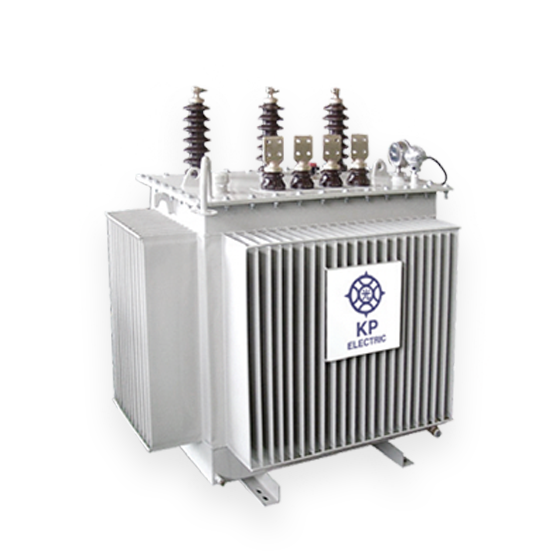
- Oil-Filled Transformers: The most common type for outdoor and large-scale applications, leveraging insulating oil for superior cooling and insulation.
Global Standards and Reliability: IEC 60076 and IEEE C57
For any B2B entity involved in power infrastructure, particularly in international markets, adherence to global standards is paramount. IEC 60076 and IEEE C57 are the two most prominent series of standards governing power transformers.
- IEC 60076 (International Electrotechnical Commission): Widely adopted globally, especially in Europe, Asia, and many developing economies. It specifies requirements for all aspects of power transformers, including general characteristics, temperature rise, insulation levels, routine tests, and special tests. Korean manufacturers, highly active in export markets, meticulously follow these specifications to ensure global compatibility and performance.
- IEEE C57 (Institute of Electrical and Electronics Engineers): Predominantly used in North America. It provides comprehensive standards for transformer design, testing, and operation.
Understanding and complying with these standards is not just a regulatory requirement; it’s a mark of quality, reliability, and interoperability. For instance, the robust requirements outlined in these standards contribute directly to the longevity and performance of transformers, a critical factor for utility companies like KEPCO and its international partners who prioritize grid stability and minimal downtime. When sourcing transformers, ensuring they meet the relevant IEC 60076 or IEEE C57 series guarantees a product engineered for global excellence.
The Global Impact: Why Transformers Are Essential for Export Markets
Transformers are the backbone of modern civilization, enabling everything from industrial production and transportation to communication and healthcare. For export-oriented nations like Korea, the reliability and advanced technology of their power transformers are a source of competitive advantage. Companies exporting these vital components ensure that electricity generated in one region can be efficiently transmitted and utilized across borders, supporting national development and international collaboration in energy infrastructure.
The demand for high-quality, durable transformers built to withstand diverse environmental conditions and operational stresses is constant. Whether it's supporting new energy projects in the Middle East, expanding grids in Southeast Asia, or upgrading infrastructure in the European Union and the United States, reliable power transformers are the fundamental building blocks. Suppliers adhering to the stringent requirements of IEC 60076 deliver confidence and performance globally.
Conclusion: Powering Progress, One Transformer at a Time
From their elegant operational principles rooted in electromagnetism to their complex engineering and adherence to international standards like IEC 60076 and IEEE C57, power transformers are truly marvels of electrical engineering. We've explored what is a transformer, delved into how transformers work, examined their core components, and highlighted their crucial role in the global energy landscape. For beginners in the B2B power sector, gaining this foundational knowledge is the first step towards appreciating the intricate systems that power our world. As the demand for electricity continues to grow globally, so too does the importance of efficient, reliable transformers—the unsung heroes that keep our lights on and our industries running.
Frequently Asked Questions
What is the primary function of a power transformer?
A power transformer primarily steps up or steps down voltage levels in electrical circuits. This allows for efficient long-distance transmission of electricity and safe distribution to various consumers without changing frequency, making it crucial for grid stability.
How does a transformer change voltage without direct contact?
Transformers change voltage through electromagnetic induction. An alternating current in the primary coil creates a fluctuating magnetic field in a core, which then induces a proportional voltage in the secondary coil, depending on the turns ratio.
What is the significance of IEC 60076 for transformers?
IEC 60076 is an international standard defining requirements for power transformers, ensuring global compatibility, safety, and performance. Adherence to it signifies a high level of quality and reliability, essential for international trade and project integration.
What are the main types of transformers?
The main types include power transformers (for generation/transmission), distribution transformers (for local supply), and instrument transformers (for measurement). They can also be classified by cooling method, such as oil-filled or dry-type, each with specific applications.
Recommended Products
Discover related products from our store
Read Next
Continue reading related articles curated for you.
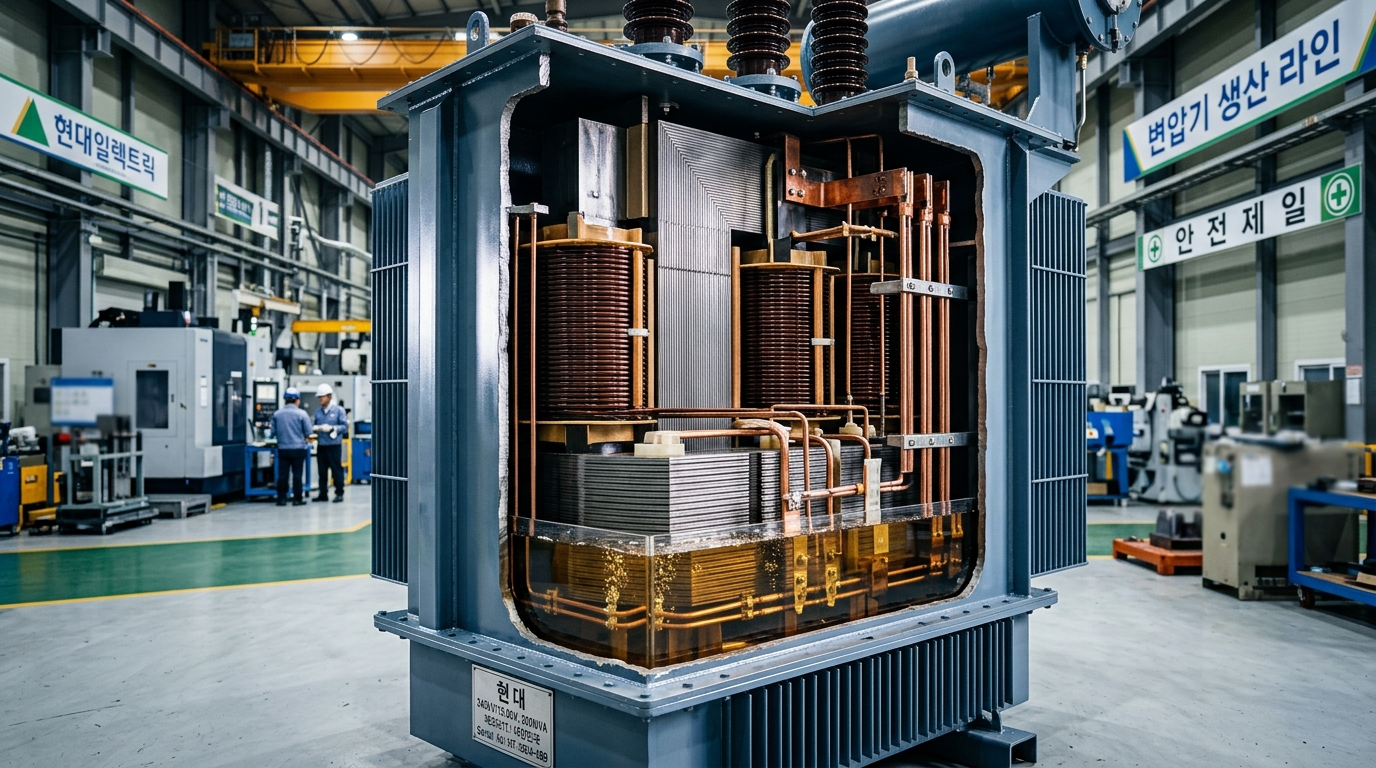
Inside a Transformer: Key Components & How They Work Together
Explore the critical components inside a power transformer, from the core to cooling systems, and discover how they synergize to ensure reliable, efficient power delivery. Learn about adherence to IEC 60076 and IEEE C57 standards for global markets.
Read
Transformer Vector Group Explained: A Buyer's Guide
Demystify transformer vector groups! Learn what they are, how to read notation (like Dyn11), and why they're crucial for international buyers ensuring grid compatibility & safety.
Read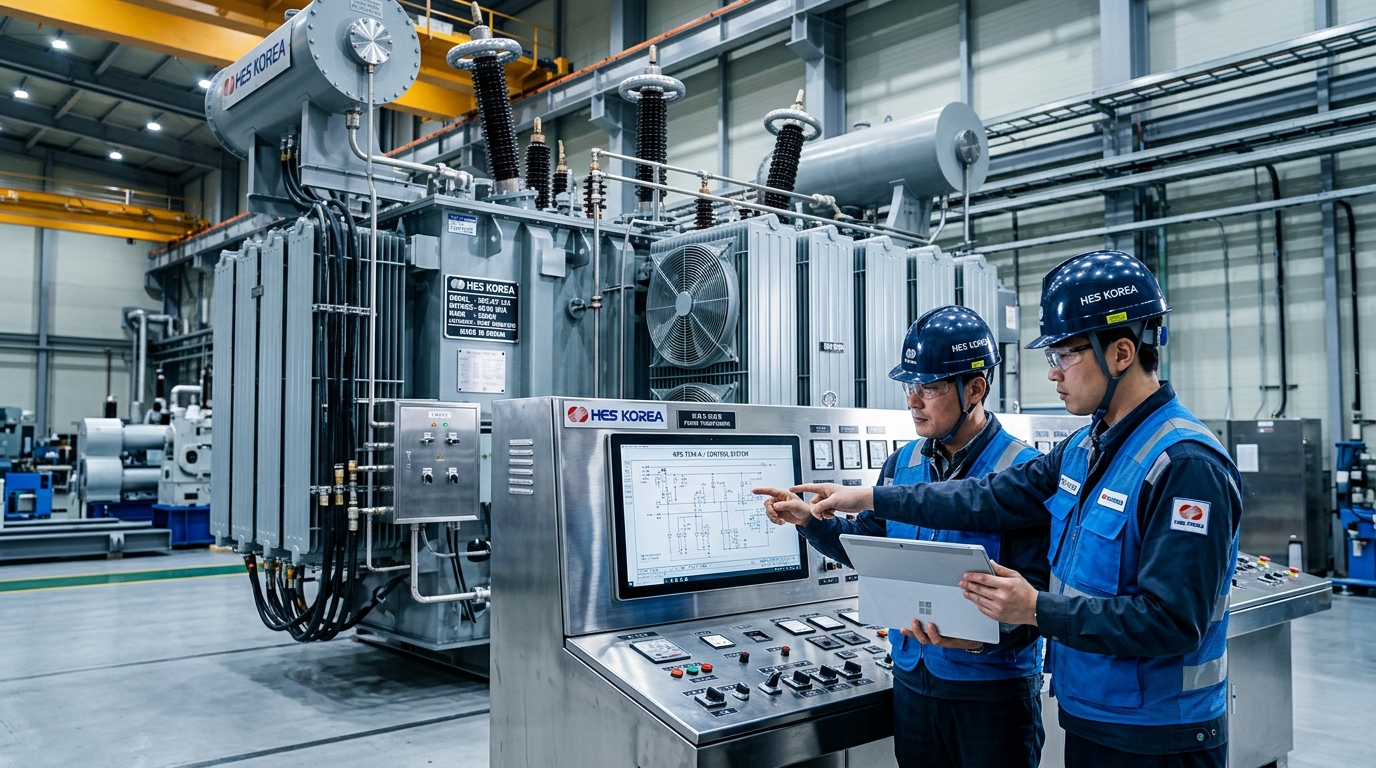
Choosing the Right Power Transformer: Industrial Buyer's Guide
Master power transformer selection for industrial use. Learn key factors: voltage, kVA, standards (IEC 60076, IEEE C57), types, and efficiency to ensure optimal performance and value.
Read