Transformer HS Codes: A Guide for Importers
Transformer HS Codes: A Guide for Importers
Understanding Transformer HS Codes: A Crucial Step for Importers
Navigating the complex world of international trade requires meticulous attention to detail. For businesses importing power transformers, understanding and correctly applying the Harmonized System (HS) codes is not just a procedural formality; it's a critical factor influencing customs duties, regulatory compliance, and overall supply chain efficiency. As experts in Korean power transformer exports, adhering to international standards like IEC 60076, KEPCO, and IEEE C57, we recognize the importance of clarity in this area.
This comprehensive guide aims to demystify Transformer HS Codes, helping importers identify the correct code for their specific needs, ensuring smooth customs clearance and avoiding costly mistakes.
What is the Harmonized System (HS)?
The Harmonized System, or HS, is an internationally standardized system of names and numbers to classify traded products. Developed and maintained by the World Customs Organization (WCO), it provides a uniform basis for customs tariffs and international trade statistics used by more than 200 countries and economies worldwide. The HS nomenclature is structured in a hierarchical manner, with chapters, headings, and subheadings, allowing for precise classification of goods.
Why are HS Codes Important for Transformer Imports?
Correctly identifying the HS code for a power transformer has several significant implications for importers:
- Customs Duties and Taxes: The HS code is the primary determinant of the duty rate and taxes applicable to imported goods. An incorrect code can lead to overpayment or underpayment of duties, triggering potential penalties and delays.
- Trade Statistics: HS codes enable countries to collect accurate data on international trade flows, which is vital for economic planning and policy-making.
- Regulatory Compliance: Certain HS codes may trigger specific import regulations, such as licensing requirements, safety certifications, or inspections. Understanding these is crucial for compliance.
- Trade Agreements and Preferences: Correct classification is essential to benefit from preferential trade agreements or duty exemptions.
- Market Research: HS codes can be used to research trade volumes and patterns for specific product categories in different markets.
Identifying the Correct HS Code for Power Transformers
Power transformers fall under Chapter 85 of the Harmonized System, which covers "Electrical machinery and equipment and parts thereof; sound recorders and reproducers, television image and sound recorders and reproducers, and parts and accessories of such articles." Specifically, the most relevant headings for transformers are:
- 8504: This heading covers "Electrical apparatus for switching, protecting, connecting, measuring, monitoring, regulating or controlling electricity (for example, switches, fuses, lightning arresters, voltage regulators, relay, surge suppressors, plugs, junction boxes, power converters, loudspeakers and microphones, control panels, automatic circuit breakers, switchboards, sockets and other connectors, lamp holders, junction boxes), for a voltage exceeding 1,000 V. Power transformers, static converters (for example, converters), reactors."
Within heading 8504, the subheadings differentiate transformers based on their design and application:
- 8504.40: Static Converters - While this subheading primarily covers static converters (like AC/DC converters), it's important to note that some integrated transformer systems might fall here if their primary function is power conversion. However, for standalone power transformers, other codes are more appropriate.
- 8504.90: Parts - This subheading is for parts of the electrical apparatus mentioned in heading 8504, not for the transformers themselves.
The Key Subheading: 8504.40.80 - Other Static Converters
While 8504.40 broadly covers static converters, the WCO system, and national customs authorities, often go into more granular detail at the 6, 8, or 10-digit level. For power transformers, the most commonly used and relevant HS code often falls under the broader umbrella of static converters or related electrical apparatus. The specific code can vary slightly by country, but generally, you will find transformer classifications within the 8504.40 range or similar headings that describe the function and voltage rating.
Let's break down common classifications:
- 8504.21: Oil-immersed, power transformers, with a power handling capacity exceeding 500 kVA. This is for larger industrial transformers.
- 8504.22: Oil-immersed, power transformers, with a power handling capacity not exceeding 500 kVA but exceeding 16.5 kVA. For medium-sized oil-immersed transformers.
- 8504.23: Oil-immersed, power transformers, with a power handling capacity not exceeding 16.5 kVA. For smaller oil-immersed transformers.
- 8504.31: Other transformers, with a dielectric, oil immersion, with a power handling capacity not exceeding 500 kVA. This covers non-oil-immersed or other types of transformers.
- 8504.32: Other transformers, with a power handling capacity exceeding 500 kVA. For larger non-oil-immersed transformers.
- 8504.33: Other transformers, with a power handling capacity exceeding 500 kVA. (Note: This might be a duplication or a further breakdown depending on the specific tariff schedule).
- 8504.34: Other transformers, with a power handling capacity not exceeding 500 kVA but exceeding 16.5 kVA.
- 8504.35: Other transformers, with a power handling capacity not exceeding 16.5 kVA.
Important Note: The exact 8 or 10-digit codes are country-specific. The 6-digit codes (e.g., 8504.40) are internationally harmonized, but national customs authorities add further digits for more specific classification.
Factors Influencing HS Code Selection for Transformers:
When selecting the correct HS code, consider the following characteristics of the transformer:
- Voltage Rating: The primary and secondary voltage levels are critical. Transformers operating above 1,000 V are classified differently from those below. Most industrial power transformers fall into the 'above 1,000 V' category.
- Power Rating (kVA): The apparent power capacity (in kilovolt-amperes, kVA) significantly influences the specific subheading.
- Cooling Method: Whether the transformer is oil-immersed (dry-type with air cooling, or other) affects its classification.
- Type of Transformer: For example, distribution transformers, power transformers, instrument transformers, etc.
- Number of Phases: Single-phase vs. three-phase transformers.
- Intended Use: While the HS code primarily focuses on the product's characteristics, the intended primary use (e.g., power grid, industrial machinery) can sometimes provide context, though it's usually secondary to physical specifications.
Common Pitfalls and How to Avoid Them
Importers often encounter issues with HS codes due to:
- Misinterpreting Product Specifications: Not accurately identifying the voltage, power rating, or cooling method.
- Confusing Transformers with Other Electrical Equipment: Mistaking reactors or static converters for power transformers.
- Using Generic Codes: Relying on broad codes when a more specific one is available and required.
- Country-Specific Variations: Assuming an HS code used in one country is identical in another. Always verify the tariff schedule of the destination country.
- Outdated Information: HS codes are periodically updated. Ensure you are using the current version.
Best practices to avoid errors:
- Consult Product Datasheets: Always refer to the manufacturer's detailed specifications for your transformer.
- Verify with Customs Authorities: If in doubt, contact the customs department of the importing country or consult with a licensed customs broker. They can provide definitive guidance based on the specific product and the country's tariff schedule.
- Utilize Official Resources: Many countries provide online searchable databases for their tariff schedules.
- Partner with Experienced Exporters: Reputable exporters, especially those familiar with standards like IEC 60076, KEPCO, and IEEE C57, can often provide guidance on HS codes.
Korean Power Transformers and HS Codes
Korean manufacturers, like us, produce high-quality power transformers that comply with stringent international standards. When exporting these transformers, we work closely with our clients to ensure the correct HS codes are identified. For example, a high-voltage, oil-immersed power transformer designed for grid applications, manufactured to IEC 60076 standards, would likely fall under specific subheadings within 8504.40 (or similar national classifications) that denote its voltage, power, and oil-immersion characteristics.
Conclusion
Choosing the correct HS code for power transformer imports is a critical task that demands accuracy and diligence. By understanding the structure of the Harmonized System, the factors influencing classification, and potential pitfalls, importers can ensure a smoother, more cost-effective import process. Always refer to official tariff schedules and seek expert advice when necessary. Correct classification is the bedrock of compliant and efficient international trade in electrical equipment.
Recommended Products
Discover related products from our store
Read Next
Continue reading related articles curated for you.
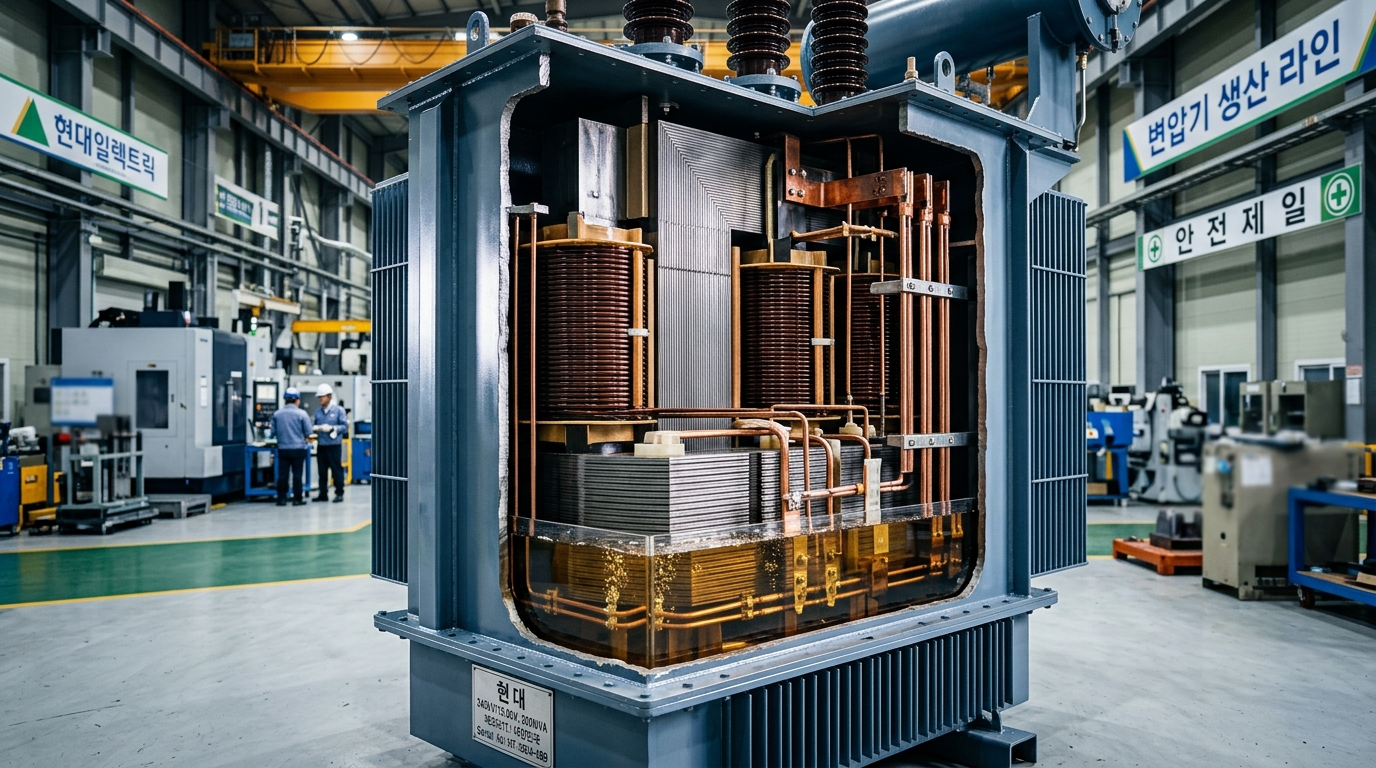
Inside a Transformer: Key Components & How They Work Together
Explore the critical components inside a power transformer, from the core to cooling systems, and discover how they synergize to ensure reliable, efficient power delivery. Learn about adherence to IEC 60076 and IEEE C57 standards for global markets.
Read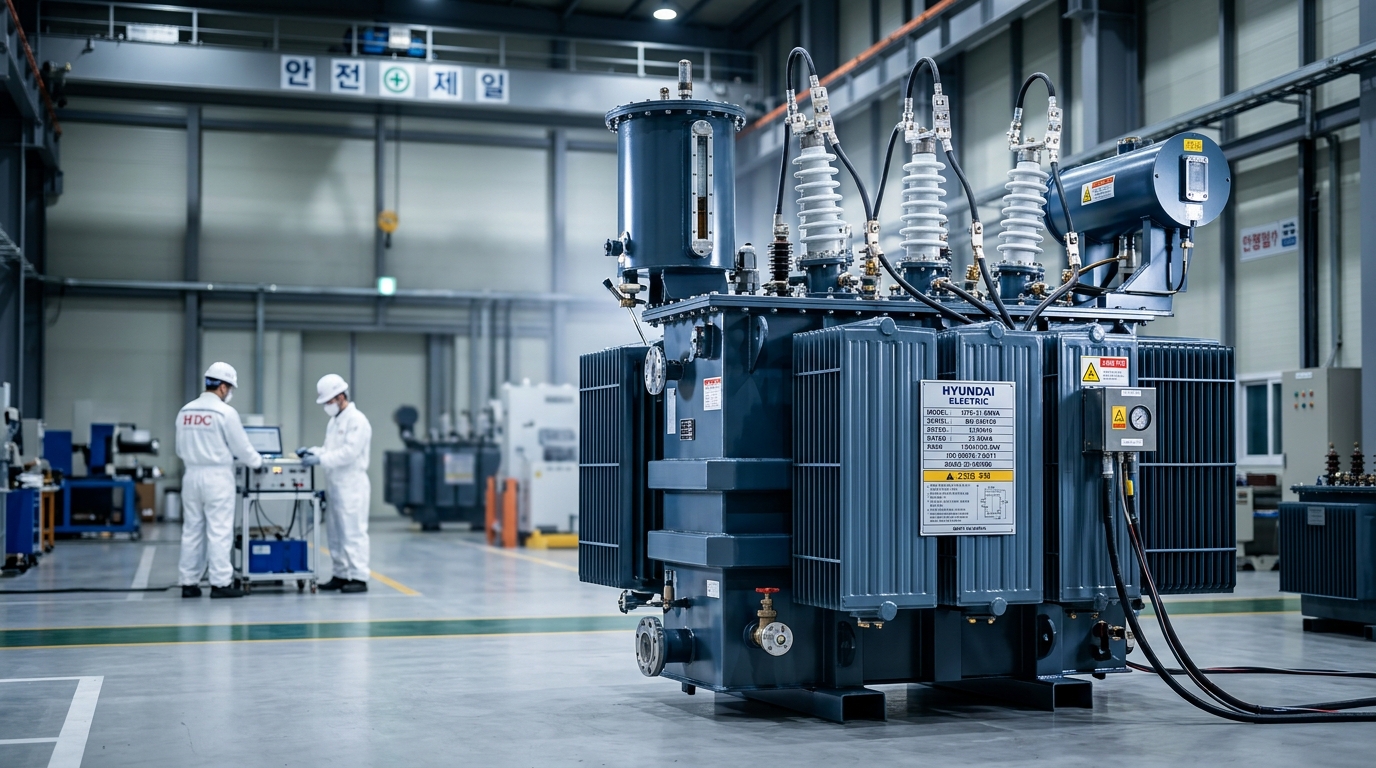
What Is a Transformer? Your Essential Guide to Powering the World
Demystify transformers with our simple guide for B2B professionals. Learn what a transformer is, how it works, its key components, and vital role in global power grids, adhering to IEC 60076 and IEEE C57 standards.
Read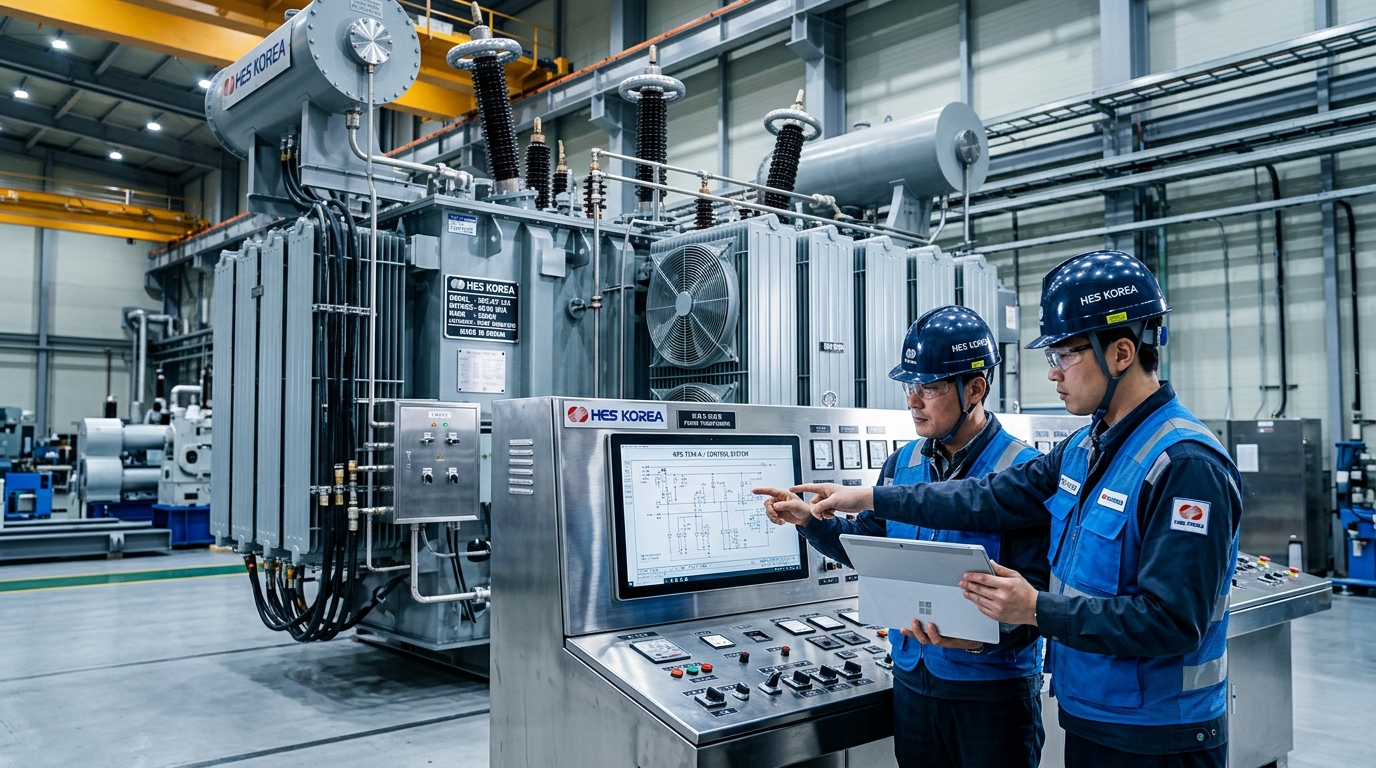
Choosing the Right Power Transformer: Industrial Buyer's Guide
Master power transformer selection for industrial use. Learn key factors: voltage, kVA, standards (IEC 60076, IEEE C57), types, and efficiency to ensure optimal performance and value.
Read