How Electricity Travels: The Essential Role of Power Transformers
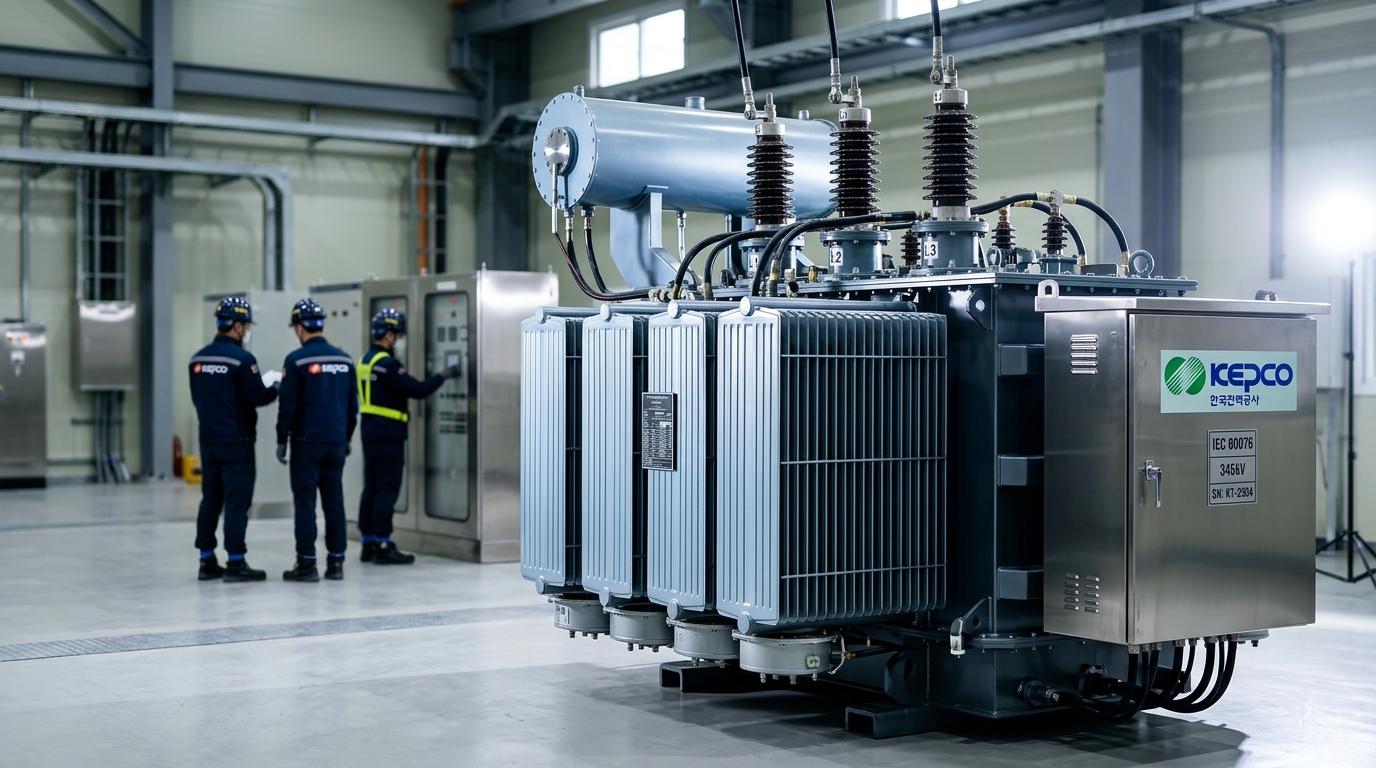
How Electricity Travels: The Essential Role of Power Transformers
Imagine a world without electricity – a silent, dark, and utterly unproductive landscape. Modern civilization, global industry, and daily life are inextricably linked to the reliable flow of electrical power. But have you ever wondered how electricity makes its remarkable journey from immense power plants to the light switch in your office or the machinery in your factory? This intricate process, known as electricity transmission and distribution, is a marvel of engineering, and at its very heart lie the indispensable guardians of the grid: power grid transformers.
For B2B stakeholders in the energy sector, understanding the precise mechanisms by which electricity travels, and especially the pivotal role of these transformers, is not just academic; it’s fundamental to ensuring grid stability, operational efficiency, and profitable procurement decisions. This article will demystify the journey of electricity, highlighting how high-quality power transformers, adhering to stringent standards like IEC 60076 and IEEE C57, are critical for a resilient and effective power distribution system globally.
The Generation Point: From Raw Energy to Initial Voltage
The journey of electricity begins at power generation plants. Whether fueled by coal, natural gas, nuclear energy, hydropower, or renewable sources like wind and solar, the fundamental principle remains the same: a prime mover spins a generator, converting mechanical energy into electrical energy. These generators typically produce electricity at relatively low voltages, often ranging from 11 kilovolts (kV) to 25 kV. While suitable for internal plant use, this voltage is far too low for efficient long-distance travel across the vast reaches of a national or international electricity transmission network.
Stepping Up: The Need for High Voltage Transmission
Transmitting electricity at low voltages over long distances would result in substantial energy losses due to resistance in the transmission lines. Think of it like trying to push water through a very narrow, long pipe – a lot of pressure (voltage) would be lost along the way. To minimize these losses, the voltage must be significantly increased, or 'stepped up,' before it leaves the power plant. This is the first critical intervention of a transformer.
The Grand Highway: Long-Distance Transmission Lines
Once stepped up, often to hundreds of thousands of volts (e.g., 132 kV, 230 kV, 400 kV, or even 765 kV in some ultra-high voltage systems), the electricity embarks on its long journey. It travels through a vast network of overhead transmission lines, often supported by towering steel pylons, forming the backbone of the national grid. These lines act as the grand highways for electricity, carrying bulk power across regions, states, and even international borders.
Minimizing Losses: Why High Voltage Matters
The relationship between voltage, current, and power loss is governed by Ohm's Law and Joule heating. Power loss (P_loss) in a transmission line is proportional to the square of the current (I²) multiplied by the resistance (R) of the line (P_loss = I²R). Total power transmitted (P) is the product of voltage (V) and current (I) (P = VI). By stepping up the voltage, the current required to transmit the same amount of power is dramatically reduced (I = P/V). A lower current, squared, results in significantly less energy lost as heat, making high-voltage transmission remarkably efficient.
Enter the Transformers: Guardians of the Grid
At every critical juncture in the journey of electricity, transformers play a non-negotiable role. These static electrical devices transfer electrical energy between two or more circuits through electromagnetic induction, without changing the frequency. They are central to the entire power distribution system.
Step-Up Transformers: Enabling Efficient Transmission
As discussed, immediately outside the power plant, step-up transformers take the relatively low voltage electricity from the generators and boost it to extremely high voltages (e.g., 400 kV). This allows the electricity to be transmitted across hundreds or thousands of kilometers with minimal energy loss, ensuring that the bulk of the generated power reaches its intended destination.
Step-Down Transformers: Delivering Power to Consumers
High voltage is efficient for long-distance travel, but it’s dangerously impractical for use in homes, businesses, and industrial facilities. This is where step-down transformers become crucial. As electricity approaches population centers, it enters substations where arrays of transformers progressively reduce the voltage in stages. From 400 kV to 132 kV, then to 33 kV or 11 kV, and finally to the much lower voltages required for localized distribution (e.g., 240V, 400V, or 120V in different regions). These are the different transformer types electricity relies on.
Types of Transformers for Grid Operations
The power grid employs a variety of transformers, each designed for a specific purpose within the transmission and distribution network:
- Power Transformers: These are large, robust units used in transmission substations to step up voltage from generators or step down voltage for sub-transmission lines. They are designed for continuous operation at high loads and voltages.
- Distribution Transformers: Smaller than power transformers, these are found closer to end-users, typically on utility poles or in underground vaults. They step down the voltage from the sub-transmission or primary distribution lines (e.g., 11 kV) to the final utilization voltage (e.g., 240V).
- Instrument Transformers (Current & Potential): These are used for measuring and protecting the power system. They scale down high currents and voltages to levels that can be safely handled by metering and relaying equipment.
IEC 60076 and IEEE C57 Standards: Ensuring Global Compatibility and Reliability
In the highly critical domain of power infrastructure, standards are not mere guidelines; they are mandates for safety, performance, and interoperability. The IEC 60076 power transformers series (International Electrotechnical Commission) provides a comprehensive set of global standards for power transformers, covering everything from general requirements to temperature rise, insulation levels, and short-circuit withstand capability. Similarly, the IEEE C57 standards (Institute of Electrical and Electronics Engineers) are the predominant standards in North America, addressing design, testing, and operation of transformers. Adherence to these rigorous international standards is paramount for manufacturers and procurement specialists, guaranteeing that transformers perform reliably under diverse global grid conditions and are compatible with existing infrastructure. For utilities making significant capital investments, choosing transformers compliant with both IEC 60076 and IEEE C57 signifies a commitment to quality, longevity, and operational excellence, directly impacting power system reliability.
KEPCO Standards: A Benchmark for Domestic and International Excellence
South Korea’s electricity infrastructure, managed by the Korea Electric Power Corporation (KEPCO), is renowned for its reliability and advanced technology. KEPCO's stringent standards for power transformers and other grid components are among the highest globally, reflecting decades of investment in robust engineering and operational efficiency. Manufacturers supplying to KEPCO must meet incredibly demanding specifications, which often exceed baseline international standards. This rigorous domestic environment has fostered a culture of excellence among Korean transformer manufacturers, making them highly competitive in the global market. Companies capable of meeting KEPCO's exacting requirements are well-positioned to offer superior quality, high-performance transformers for global transformer export, providing a strong benchmark for reliability and advanced design to international buyers. This expertise in KEPCO power infrastructure design translates directly to benefits for any country looking to upgrade or expand its own grid.
The Role of Substations: Hubs of Transformation
Substations are the nerve centers of the power grid. They are strategically located facilities where voltage is adjusted, electricity is switched between different transmission lines, and various protective devices ensure the grid's safety. They contain not just transformers, but also circuit breakers, switches, control equipment, and sophisticated monitoring systems.
From HV to MV: Bridging the Gap
At primary substations, high voltage transmission (e.g., 400 kV or 230 kV) is stepped down to sub-transmission voltages (e.g., 69 kV or 33 kV). These sub-transmission lines then carry power to secondary substations closer to urban or industrial areas, where further step-down transformations occur to medium voltages (MV), typically 11 kV or 22 kV, suitable for local distribution. This multi-stage voltage regulation technology is critical.
The Final Leg: Distribution to Homes and Businesses
The medium-voltage lines emanating from secondary substations form the local distribution network. These are the power lines you see running along streets, feeding neighborhoods and industrial parks. Finally, right outside homes, offices, and factories, smaller pole-mounted or pad-mounted distribution transformers perform the very last step-down, reducing the voltage to the low levels (e.g., 240V/400V or 120V/208V) that appliances and machinery can safely use. This intricate network ensures that every end-point receives clean, reliable power.
Localized Voltage Regulation and Safety
At every stage of distribution, the goal is not just to deliver power, but to deliver stable power at the correct voltage. Transformers are crucial for maintaining consistent voltage levels, even as demand fluctuates. Their role in electrical safety cannot be overstated; by isolating high-voltage circuits and reducing voltage to safe levels for end-users, they are fundamental in preventing electrical hazards.
The Future of Power Grids: Smart Grids and Transformer Innovations
The traditional power grid is evolving into a smart grid, integrating digital communication technology, advanced sensors, and automation. This evolution brings new demands on transformers, requiring them to be more intelligent, efficient, and resilient. Innovations include:
- Smart Transformers: Equipped with sensors and communication modules, these can monitor their own performance, predict maintenance needs, and communicate with the grid control center, enabling proactive management and fault isolation.
- Energy Efficient Transformers: With global emphasis on sustainability, manufacturers are developing transformers with lower no-load and load losses, contributing significantly to overall grid efficiency and reduced carbon footprints. This is a key consideration in transformer procurement for modern utilities.
- Transformers for Renewables: Specialized transformers are required to integrate intermittent renewable energy sources (like solar and wind) into the grid, managing voltage fluctuations and ensuring grid stability.
Reliable Power Transformers for a Sustainable Future: A Global Perspective
As nations worldwide invest in upgrading aging infrastructure and building new grids to support economic growth and integrate renewable energy, the demand for high-quality, standards-compliant power transformers is surging. Manufacturers who consistently meet international benchmarks like IEC 60076 and IEEE C57, coupled with a proven track record of excellence in demanding domestic markets such as KEPCO's, are becoming indispensable partners. Investing in superior electrical substation components and ensuring robust voltage regulation technology is not just about today's needs but about future-proofing national energy independence and fostering sustainable development. The expertise cultivated by Korean power transformer manufacturers positions them uniquely to meet these global challenges, offering reliable, efficient, and technologically advanced solutions for grids worldwide.
Conclusion: The Unsung Heroes of Electricity's Journey
From the immense power plants to the smallest device, electricity undertakes an incredible journey, silently powering our world. This journey would be impossible, inefficient, and unsafe without the continuous intervention of power grid transformers. These devices, whether stepping up voltage for long-haul transmission or stepping it down for local consumption, are the unsung heroes of the modern electricity grid. For B2B buyers and strategists, understanding their critical function and the importance of adhering to international standards (IEC 60076, IEEE C57) and leveraging proven domestic expertise (KEPCO) is key to building resilient, efficient, and future-ready electrical infrastructure. As the global energy landscape evolves, the role of reliable, advanced power transformers will only grow in importance, making them a central component of every nation's energy future.
Frequently Asked Questions
What is the primary function of transformers in the power grid?
Transformers primarily step up or step down voltage levels. They enable efficient long-distance electricity transmission by increasing voltage and ensure safe, usable delivery to consumers by decreasing it, minimizing energy loss throughout the entire power distribution system.
Why is high voltage used for long-distance electricity transmission?
High voltage reduces the current needed to transmit power, which significantly minimizes energy losses as heat (I²R losses) in the transmission lines. This makes the long-distance journey of electricity much more efficient and cost-effective.
What role do international standards like IEC 60076 and IEEE C57 play for power transformers?
These international standards ensure power transformers meet stringent requirements for safety, performance, and interoperability. Adherence guarantees reliability, compatibility with global grids, and builds confidence for B2B procurement in critical national infrastructure projects.
How do KEPCO standards influence the quality of Korean power transformers for export?
KEPCO's demanding domestic standards have cultivated a high level of engineering excellence and reliability among Korean manufacturers. This rigorous quality benchmark translates directly into superior, high-performance power transformers suitable for international export, meeting global market needs.
Recommended Products
Discover related products from our store
Read Next
Continue reading related articles curated for you.
Types of Electrical Transformers and Their Critical B2B Applications
Explore the essential types of electrical transformers, their critical industrial and utility applications, and why adherence to IEC 60076, IEEE C57, and KEPCO standards is paramount for B2B procurement.
Read
How Transformers Work: The Science of Voltage Conversion
Discover the science behind voltage conversion. Learn how transformers use electromagnetic induction to step up or down AC voltage efficiently, essential for modern power grids.
Read