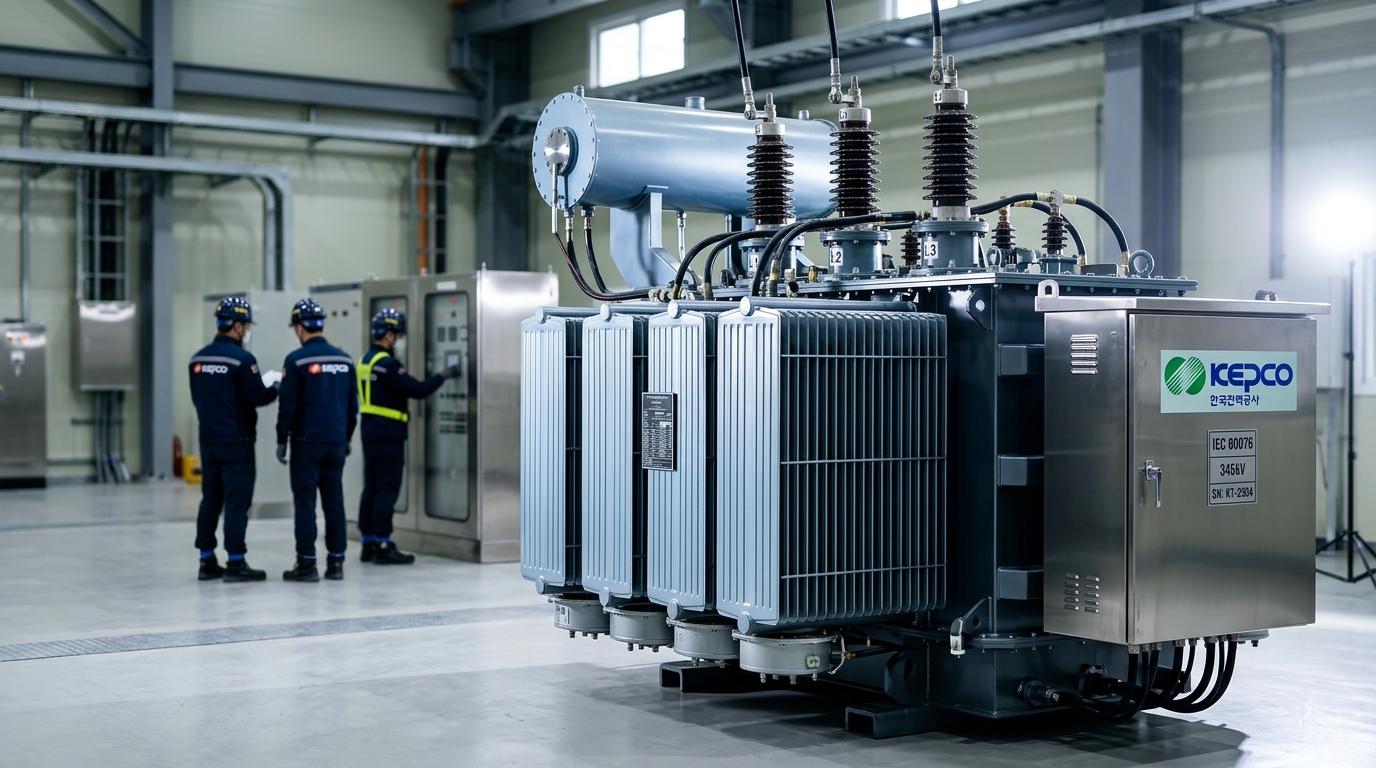
Types of Electrical Transformers and Their Critical B2B Applications
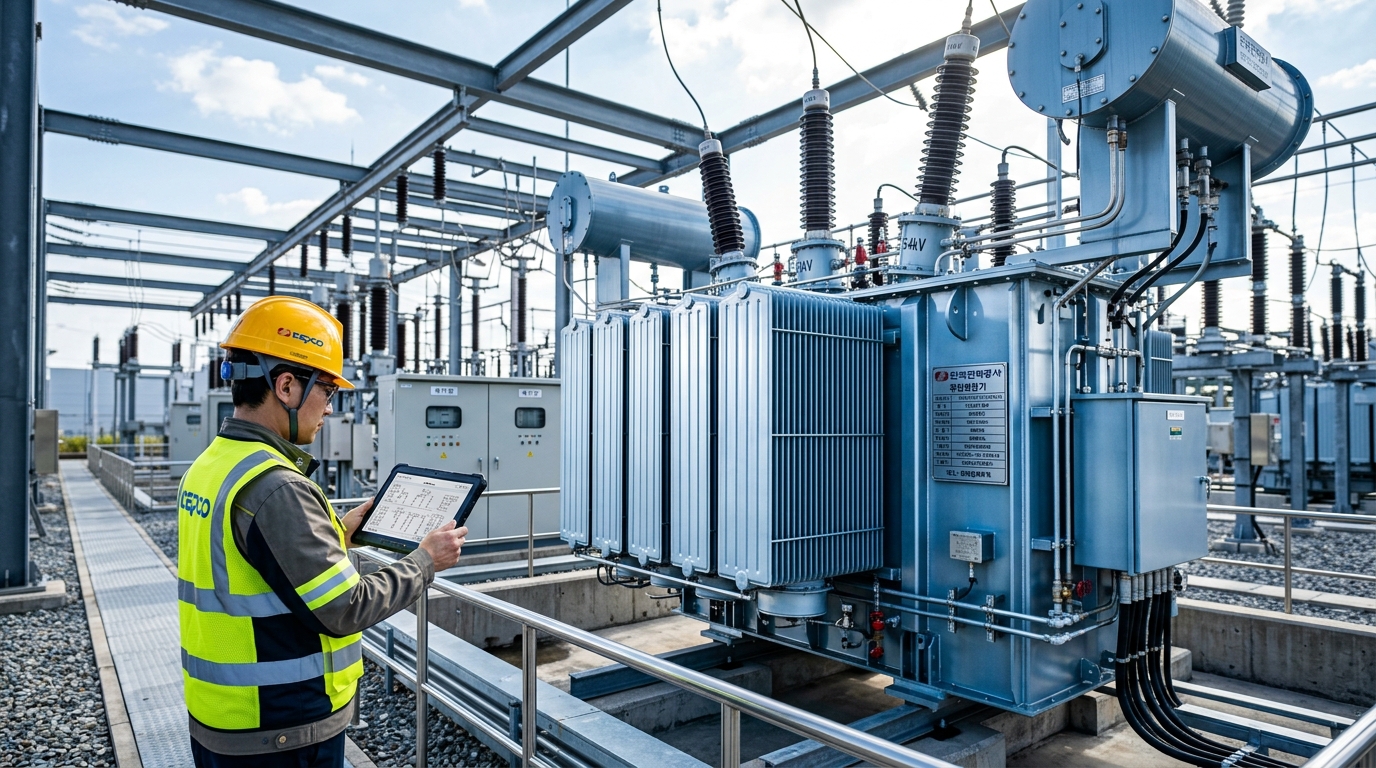
Types of Electrical Transformers and Their Critical B2B Applications
Understanding Electrical Transformers: The Backbone of Power Infrastructure
Electrical transformers are indispensable devices in any modern power system, playing a critical role in efficiently transmitting and distributing electricity across vast networks and within industrial facilities. For B2B professionals involved in power generation, transmission, distribution, and heavy industry, a deep understanding of the types of electrical transformers and their specific applications is paramount for ensuring system reliability, efficiency, and compliance with stringent international standards such as IEC 60076 and IEEE C57.
This comprehensive guide delves into the various types of transformers, their fundamental operating principles, and where they are strategically deployed in B2B contexts. We will explore how these vital components facilitate everything from large-scale grid operations to precise industrial processes, emphasizing the crucial considerations for procurement and deployment in demanding environments.
The Fundamental Role of Transformers in Power Systems
At its core, an electrical transformer is a static electrical device that transfers electrical energy between two or more circuits through electromagnetic induction. It changes alternating current (AC) voltage levels without altering the frequency or amount of electrical power, making it possible to step up voltage for efficient long-distance transmission or step down voltage for safe distribution and utilization. This capability is foundational to how modern power grids operate, allowing electricity generated at power plants to reach homes, businesses, and factories efficiently.
Key Types of Electrical Transformers and Their B2B Applications
Transformers are categorized based on their function, construction, insulation, and application. For B2B stakeholders, selecting the appropriate transformer type is a decision that impacts operational efficiency, safety, and long-term cost-effectiveness. Here, we explore the primary types of power transformers and their strategic uses.
1. Power Transformers: The Heart of Transmission Networks
Power transformers are typically large, robust, and designed for operation in power generation stations and transmission substations. Their primary function is to step up voltage at the generation end for efficient long-distance transmission (often hundreds of kilovolts) and then step down voltage at major receiving substations to levels suitable for distribution. These transformers operate at near full load continuously and are engineered for maximum efficiency and stability.
- Applications: Connecting power plants to the national grid, inter-regional power transfers, high-voltage substations.
- Key Characteristics: High kVA ratings (MVA range), superior insulation, robust cooling systems (oil-filled, forced air/oil), designed for continuous duty.
- B2B Relevance: Critical for utility companies managing national and regional power grids, developers of large-scale renewable energy projects (wind farms, solar plants) requiring connection to high-voltage lines. Compliance with IEC 60076 and IEEE C57 is non-negotiable for these critical assets.
2. Distribution Transformers: Localizing Power Delivery
Distribution transformers step down the high voltage from transmission lines to lower, usable voltages for consumers – typically 11kV, 33kV, or 66kV to 400V or 240V. They are found closer to end-users, often mounted on utility poles or placed on concrete pads in residential, commercial, and industrial areas.
- Applications: Supplying power to residential neighborhoods, commercial buildings, light industrial parks, and agricultural settings.
- Key Characteristics: Smaller kVA ratings than power transformers, designed for varying load conditions, often oil-filled or dry-type, available in pole-mounted, pad-mounted, or substation designs.
- B2B Relevance: Essential for real estate developers, commercial property managers, and facility engineers for ensuring reliable power supply to their operations. Procurement teams look for efficiency, low maintenance, and compliance with local utility standards (e.g., KEPCO specifications in Korea or similar international norms).
3. Instrument Transformers: Precision for Measurement and Protection
Instrument transformers are specialized transformers used for measurement, protection, and control of electrical systems. They isolate the measuring and protective instruments from high voltages and currents, scaling them down to safe and manageable levels for relays, meters, and other devices.
Current Transformers (CTs)
- CTs step down high currents to a standardized low value (e.g., 5A or 1A) for accurate measurement and protective relay operation.
- Applications: Revenue metering, overcurrent protection, fault detection, power quality monitoring.
- B2B Relevance: Crucial for utility billing, industrial process control, and safeguarding expensive equipment in substations and industrial plants. Accuracy classes are critical for financial and operational integrity.
Potential Transformers (PTs) / Voltage Transformers (VTs)
- PTs/VTs step down high voltages to standardized low values (e.g., 110V or 120V) for voltage measurement and protective relay operation.
- Applications: Voltage monitoring, synchronization of generators, under/over voltage protection.
- B2B Relevance: Indispensable for monitoring grid stability, ensuring proper operation of generation facilities, and preventing equipment damage due to voltage anomalies.
4. Autotransformers: Efficient Voltage Regulation
An autotransformer has only one winding that is common to both the primary and secondary circuits. It works by having a tapped portion of this single winding, making it smaller, lighter, and more efficient than a two-winding transformer for applications where the voltage transformation ratio is close to unity.
- Applications: Voltage regulation in transmission and distribution lines, motor starting (reducing inrush current), variable AC power supplies, interconnecting power systems operating at slightly different voltage levels.
- Key Characteristics: High efficiency, compact size, lower impedance (leading to better voltage regulation).
- B2B Relevance: Utilized by utilities for grid stability, by manufacturers for soft starting large motors, and in industrial settings requiring precise voltage control.
5. Isolation Transformers: Safety and Noise Reduction
Isolation transformers provide electrical isolation between two circuits, preventing common-mode noise and providing safety by isolating the secondary circuit from direct connection to the primary AC power source. They typically have a 1:1 turns ratio.
- Applications: Medical equipment, sensitive electronic devices (e.g., data centers, laboratories), industrial control systems, audio equipment.
- Key Characteristics: High insulation resistance, often electrostatic shields between windings.
- B2B Relevance: Essential for ensuring personnel safety in hazardous environments, protecting sensitive electronics from power line disturbances, and maintaining signal integrity in critical control systems.
6. Special Purpose Transformers: Tailored Industrial Solutions
Beyond the main categories, several industrial transformers are designed for highly specific B2B needs:
- Furnace Transformers: High current, low voltage, for arc furnaces and induction furnaces in metallurgical industries.
- Rectifier Transformers: Designed to supply power to rectifier circuits for converting AC to DC, common in electrochemical processes, DC motor drives, and traction systems.
- Grounding Transformers: Used to provide a neutral point for grounding purposes in ungrounded or delta-connected systems.
- Traction Transformers: Specifically designed for electric locomotives and railway systems, often integrating multiple windings for different power supplies.
Standards and Reliability: Why IEC 60076, IEEE C57, and KEPCO Matter
For B2B buyers and project managers, adherence to international standards is not merely a formality; it is a guarantee of quality, safety, interoperability, and long-term reliability. Korean power transformer exports are renowned for meeting and exceeding these rigorous benchmarks.
- IEC 60076: The international standard for power transformers, covering general requirements, temperature-rise limits, insulation levels, and test procedures. Compliance ensures global market acceptance and interchangeability.
- IEEE C57: A comprehensive set of standards developed by the Institute of Electrical and Electronics Engineers for transformers in North America, covering design, testing, and application.
- KEPCO Standards: Specifications from the Korea Electric Power Corporation (KEPCO) represent some of the most stringent national utility requirements globally, signifying exceptional durability and performance for transformers used in harsh conditions and critical grid applications.
When sourcing transformers for global projects, prioritizing manufacturers who consistently meet these standards reduces risks, ensures operational integrity, and simplifies integration into existing infrastructure. Reliable Korean manufacturers integrate these standards into every stage of design and production, offering a competitive edge in quality and performance.
Selecting the Right Transformer for Your B2B Project
Choosing the correct transformer involves a careful assessment of several factors:
- Voltage and Power Rating (kVA/MVA): Matches the power requirements of the system.
- Application Type: Transmission, distribution, measurement, safety, or specialized industrial use.
- Insulation and Cooling: Determines suitability for environmental conditions and operational loads (e.g., oil-immersed, dry-type, forced air/oil).
- Environmental Conditions: Temperature, altitude, humidity, pollution levels.
- Standards Compliance: Adherence to IEC, IEEE, KEPCO, and local regulations.
- Efficiency Requirements: Minimizing energy losses over the transformer's lifespan.
- Maintenance and Lifespan: Long-term operational costs and reliability.
By considering these factors and partnering with experienced suppliers, B2B professionals can ensure optimal transformer selection and deployment.
Conclusion: Powering Progress with Precision and Reliability
Electrical transformers are unsung heroes of our modern world, silently enabling the flow of power that drives industries, illuminates cities, and connects communities. For B2B stakeholders, understanding the diverse types of electrical transformers and their specific industrial and utility applications is critical for making informed decisions that impact operational efficiency, safety, and long-term investment.
Partnering with manufacturers that adhere to the highest international standards, such as IEC 60076 and IEEE C57, and possess a proven track record of reliability, like leading Korean exporters, ensures that your power infrastructure remains robust, efficient, and capable of meeting the demands of tomorrow. From the vast expanse of the power grid to the intricate workings of a specialized industrial plant, the right transformer is foundational to success.
Frequently Asked Questions
What is the primary function of a power transformer?
The primary function of a power transformer is to step up or step down voltage levels in electrical power systems. It enables efficient long-distance transmission of electricity at high voltages and safe distribution at lower voltages for industrial and utility applications.
How do distribution transformers differ from power transformers?
Distribution transformers step down voltage closer to end-users (residential, commercial, light industrial), operating at varying loads and typically having lower kVA ratings. Power transformers are larger, used in generation and transmission substations, and operate at near full load for efficient long-distance power transfer.
Why are IEC 60076 and IEEE C57 standards important for transformers?
IEC 60076 (international) and IEEE C57 (North American) are critical standards ensuring transformer quality, safety, interoperability, and reliable performance. Adherence is vital for global market acceptance, regulatory compliance, and minimizing operational risks in B2B power projects.
What are instrument transformers used for in industrial settings?
Instrument transformers (Current Transformers - CTs, Potential/Voltage Transformers - PTs/VTs) are used in industrial settings for precise measurement, protection, and control. They safely scale down high currents and voltages to levels suitable for metering, protective relays, and other monitoring equipment, ensuring system safety and accuracy.
Recommended Products
Discover related products from our store
Read Next
Continue reading related articles curated for you.