Choosing the Right Power Transformer: Industrial Buyer's Guide
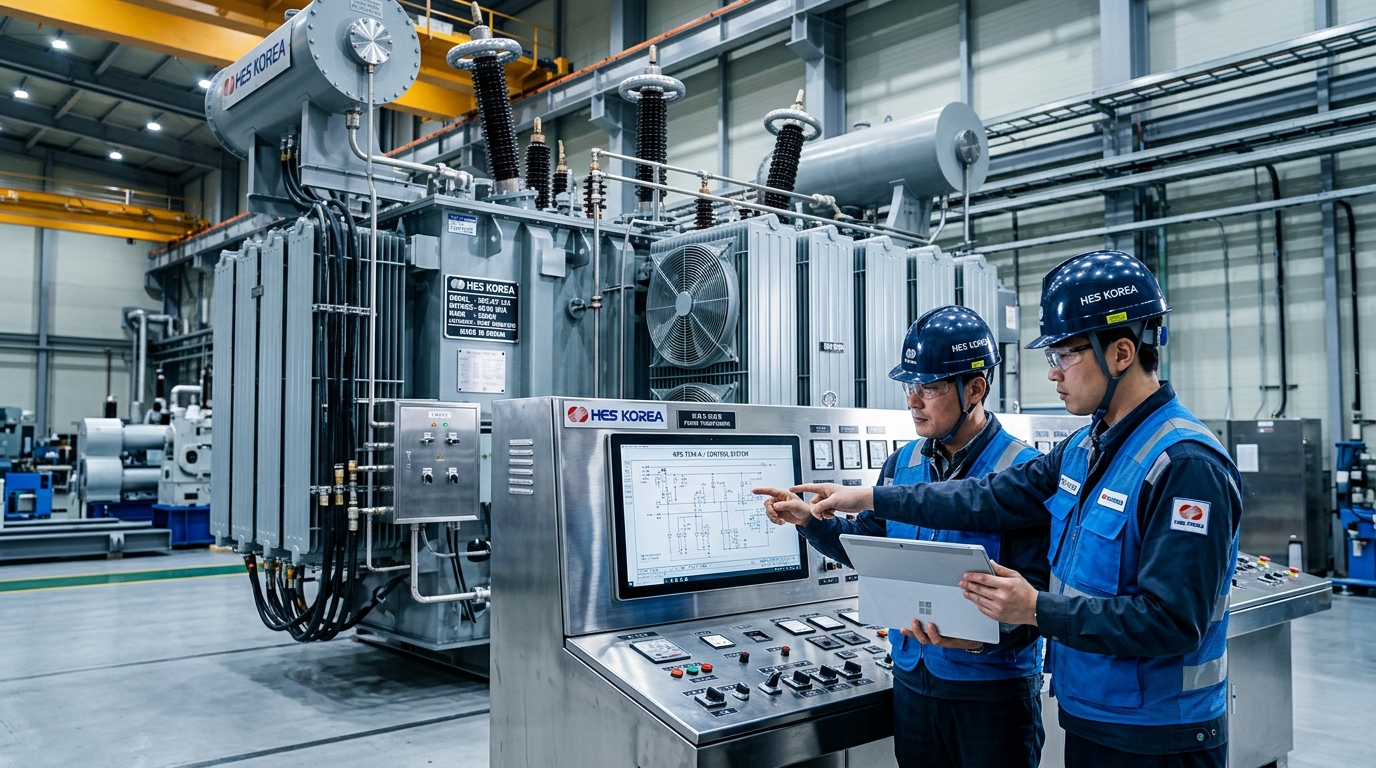
Choosing the Right Power Transformer: An Industrial Buyer's Guide
Selecting the ideal power transformer for industrial applications is a critical decision that impacts operational efficiency, safety, and long-term costs. For industrial buyers, this isn't merely a purchase; it's an investment in the backbone of their electrical infrastructure. The wrong choice can lead to frequent downtime, energy waste, and non-compliance with crucial international standards. This comprehensive guide will walk you through the essential factors involved in industrial power transformer selection, covering everything from technical specifications and compliance requirements to environmental considerations and total cost of ownership. We’ll delve into key standards like IEC 60076 and IEEE C57, crucial for any global enterprise, ensuring you're equipped to make an informed decision for your facility.
Understanding Your Industrial Needs: The Foundation of Transformer Selection
Before you even begin to compare models, a thorough understanding of your specific operational requirements is paramount. This initial assessment forms the bedrock of effective choosing industrial transformers.
Voltage, Power Rating (kVA), and Frequency: Sizing It Right
The first and most critical considerations are the primary and secondary voltage requirements, the required power rating (kVA), and the operating frequency. Your primary voltage must match the incoming utility supply, while the secondary voltage must meet the needs of your industrial equipment.
- Voltage Levels: Determine your utility's supply voltage (e.g., 13.8kV, 34.5kV) and the voltage required by your load equipment (e.g., 480V, 400V, 208V).
- Power Rating (kVA): This is arguably the most important specification for a power transformer buying guide. Calculate the total connected load, including anticipated future expansion, and apply a suitable safety margin. Over-sizing can lead to unnecessary expense and reduced efficiency, while under-sizing risks overloading and premature failure.
- Frequency: Standard industrial frequencies are typically 50 Hz or 60 Hz. Ensure your transformer is designed for the specific frequency of your grid.
Load Type and Duty Cycle: Matching Application Demands
The nature of your electrical load and its operational pattern significantly influence transformer design and material selection.
- Load Type: Is your load primarily resistive, inductive (motors), capacitive, or highly harmonic (VFDs, rectifiers)? Harmonic-rich loads require K-factor rated transformers to prevent overheating.
- Duty Cycle: Will the transformer operate continuously at full load, or will it experience frequent on/off cycles and varying loads? Continuous heavy loads demand robust cooling and higher efficiency, while intermittent loads might allow for different design considerations.
Navigating Transformer Types: Dry-Type vs. Oil-Filled
The choice between dry-type and oil-filled transformers is fundamental, dictated by safety concerns, installation environment, and maintenance preferences.
Dry-Type Transformers: Safety and Versatility for Indoor Use
Dry-type transformers utilize air or solid insulating materials (such as resin) instead of liquid. They are an excellent choice for indoor installations or locations where fire safety is a paramount concern.
- Advantages: Inherently safer due to minimal fire risk, eco-friendly (no oil spills), lower maintenance, and can be installed closer to the load, reducing cable losses.
- Disadvantages: Typically larger and heavier than oil-filled units of the same kVA, potentially higher initial cost, and less tolerant to overloads compared to oil-filled counterparts.
- Applications: Commercial buildings, hospitals, data centers, and manufacturing plants where fire hazard mitigation is critical.
Oil-Filled Transformers: Robustness and Efficiency for Harsh Environments
Oil-filled transformers use mineral oil or a synthetic fluid for both cooling and electrical insulation. They are often favored for outdoor applications and higher voltage ratings.
- Advantages: Higher efficiency, better heat dissipation (leading to smaller footprint for higher ratings), greater resistance to voltage spikes, and generally lower initial cost for larger kVA ratings.
- Disadvantages: Higher fire risk (though modern units are very safe), potential for oil leaks, and environmental concerns if oil spills occur. They also require more regular maintenance, including oil testing.
- Applications: Utility substations, large industrial plants, mining operations, and areas exposed to harsh weather conditions.
Critical Compliance: IEC 60076, IEEE C57, and KEPCO Standards
Adherence to international and regional standards is non-negotiable for ensuring safety, reliability, and interoperability. When choosing the right power transformer for industrial applications, these standards serve as critical benchmarks.
IEC 60076: The Global Benchmark for Power Transformers
The International Electrotechnical Commission (IEC) 60076 series is the most widely recognized international standard for power transformers. It covers general requirements, temperature rise, impulse voltage tests, short-circuit current withstand, and sound levels. Compliance with IEC 60076 standards signals a transformer's adherence to stringent global quality and performance specifications, making it vital for export markets and multinational operations.
IEEE C57 Series: North American Standards for Performance and Safety
For operations in North America, the Institute of Electrical and Electronics Engineers (IEEE) C57 series is the authoritative standard. It covers similar aspects to IEC but with specific test procedures, design criteria, and performance parameters relevant to the North American electrical grid. An IEEE C57 transformer ensures compatibility and regulatory compliance within the U.S. and Canadian markets.
KEPCO Specifications: Ensuring Reliability in Korean and Export Grids
While not a global standard in the same vein as IEC or IEEE, KEPCO (Korea Electric Power Corporation) specifications are crucial for transformers operating within the Republic of Korea and for manufacturers exporting Korean-made transformers. KEPCO's rigorous standards often exceed baseline international requirements, ensuring exceptional reliability and longevity. A transformer built to KEPCO transformer specifications often represents a higher tier of quality and robust design, beneficial even for international projects.
Environmental & Operational Considerations for Longevity
The environment in which your transformer operates and its practical installation details play a significant role in its long-term performance and maintenance needs.
Operating Environment and Temperature: Battling the Elements
Consider ambient temperature ranges, humidity levels, altitude, and exposure to dust, corrosive elements, or direct sunlight. Transformers designed for temperate climates may struggle in extreme heat or cold, impacting insulation life and overall efficiency. Proper environmental protection is key to maximizing lifespan.
Cooling Methods, Noise Levels, and Footprint: Installation Realities
- Cooling Methods: Transformers dissipate heat through various methods (ONAN – Oil Natural Air Natural, ONAF – Oil Natural Air Forced, etc., for oil-filled; AN – Air Natural, AF – Air Forced for dry-type). The chosen cooling method directly affects the transformer's size, efficiency, and ability to handle sustained loads.
- Noise Levels: Transformers generate noise, primarily due to magnetostriction. In noise-sensitive areas, specifying a low-noise design is crucial, often at an additional cost.
- Footprint and Weight: Physical dimensions and weight must align with available installation space, foundation capacity, and transportation logistics.
Beyond Purchase Price: Total Cost of Ownership (TCO) and Support
The initial purchase price of a power transformer is just one component of its total cost. Savvy industrial buyers understand the importance of evaluating long-term expenses and reliable manufacturer support.
Energy Efficiency and Long-Term Savings: Investing in Performance
A transformer's energy efficiency directly impacts operational costs over its decades-long lifespan. Even a small improvement in efficiency can lead to significant savings. High-efficiency transformers, while sometimes having a higher upfront cost, deliver a much lower transformer TCO by reducing energy losses and minimizing electricity bills. Look for transformers designed to minimize no-load and load losses, especially under typical operating conditions. This makes them a smart investment for industrial buyers focused on long-term sustainability and profitability.
Manufacturer Reputation, Warranty, and After-Sales Service
Choosing a reputable manufacturer with a proven track record is vital. Investigate their commitment to quality, adherence to standards, and their production processes. A strong warranty indicates confidence in their product. More importantly, reliable after-sales service, including technical support, spare parts availability, and maintenance services, ensures smooth operation and minimizes downtime over the transformer's life.
Conclusion
The industrial power transformer selection process is multifaceted, requiring careful consideration of technical specifications, environmental factors, regulatory compliance, and economic implications. By thoroughly assessing your voltage and kVA requirements, understanding the benefits of dry-type versus oil-filled units, and ensuring adherence to critical standards like IEC 60076 and IEEE C57, you can make an informed decision. Remember, the true value of a transformer lies not just in its initial cost, but in its long-term efficiency, reliability, and the quality of support from its manufacturer. Investing wisely in the right transformer ensures a robust, efficient, and compliant power infrastructure for your industrial operations for decades to come.
Frequently Asked Questions
What are the primary factors for choosing an industrial power transformer?
Primary factors include required voltage and kVA rating, application type (e.g., motor drive, lighting), environmental conditions, specific international standards like IEC 60076 or IEEE C57, and long-term efficiency for total cost of ownership.
What is the difference between dry-type and oil-filled transformers?
Dry-type transformers use air or solid insulation, ideal for indoor, fire-sensitive areas due to lower fire risk. Oil-filled transformers use mineral oil for cooling and insulation, offering higher efficiency and typically lower cost for outdoor or high-power applications.
Why are international standards like IEC 60076 and IEEE C57 important for industrial transformers?
These standards ensure transformers meet global safety, performance, and quality benchmarks. IEC 60076 is widely adopted internationally, while IEEE C57 is prevalent in North America, guaranteeing reliability and compatibility across diverse industrial setups.
How does energy efficiency impact transformer selection for industrial buyers?
Energy efficiency directly affects a transformer's Total Cost of Ownership (TCO). High-efficiency models, though potentially having a higher initial cost, reduce operational energy losses and electricity bills significantly over their lifespan, offering substantial long-term savings.
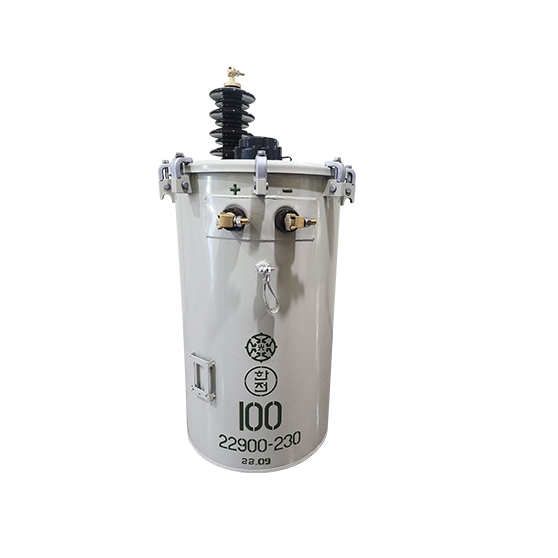
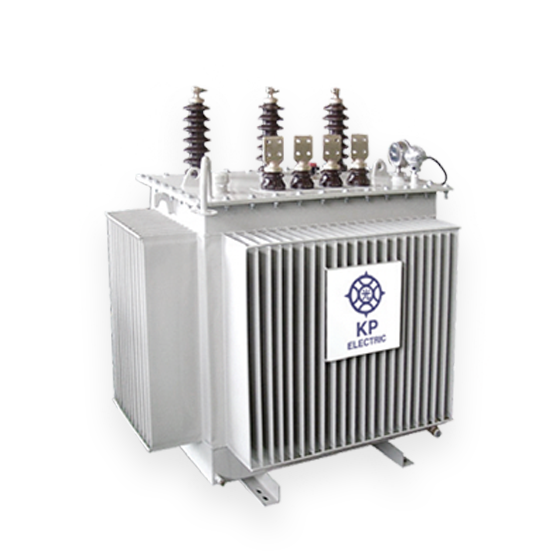
Recommended Products
Discover related products from our store
Read Next
Continue reading related articles curated for you.
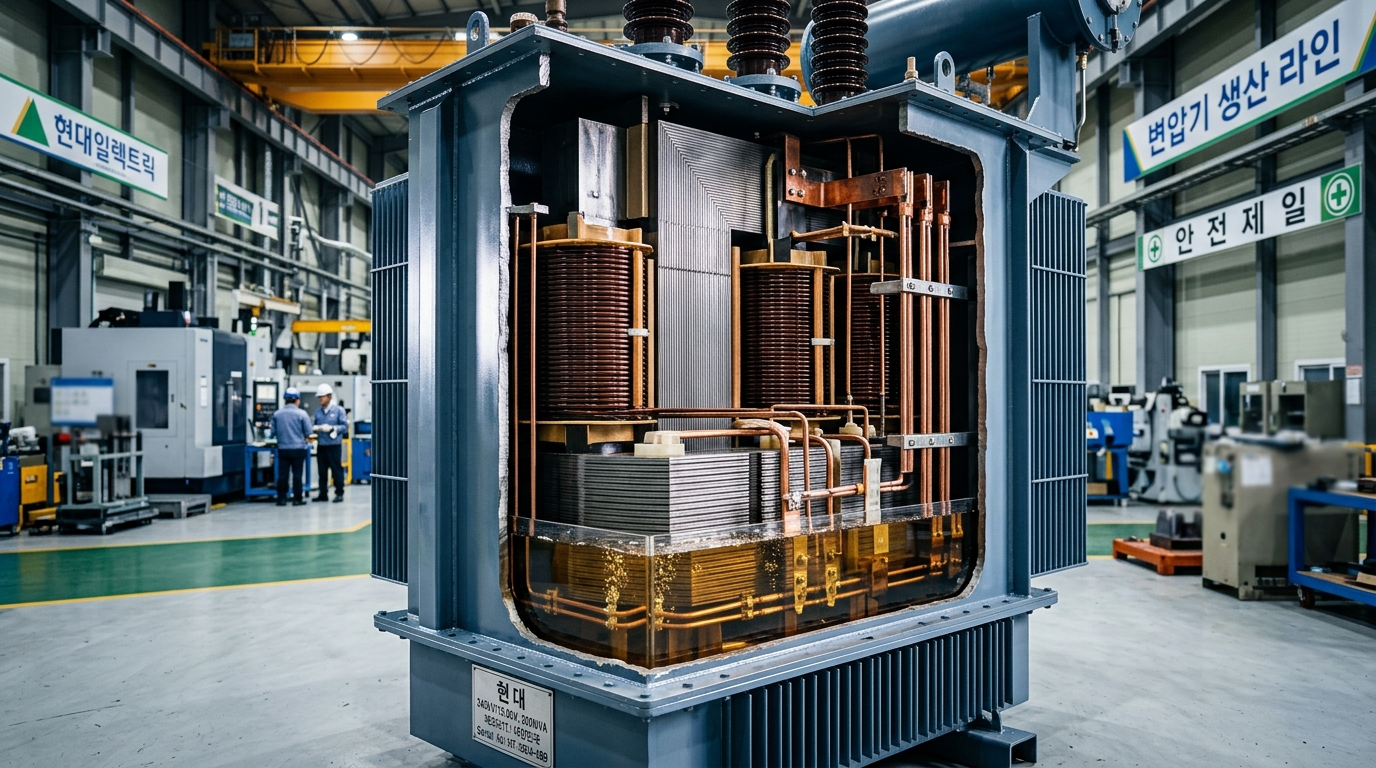
Inside a Transformer: Key Components & How They Work Together
Explore the critical components inside a power transformer, from the core to cooling systems, and discover how they synergize to ensure reliable, efficient power delivery. Learn about adherence to IEC 60076 and IEEE C57 standards for global markets.
Read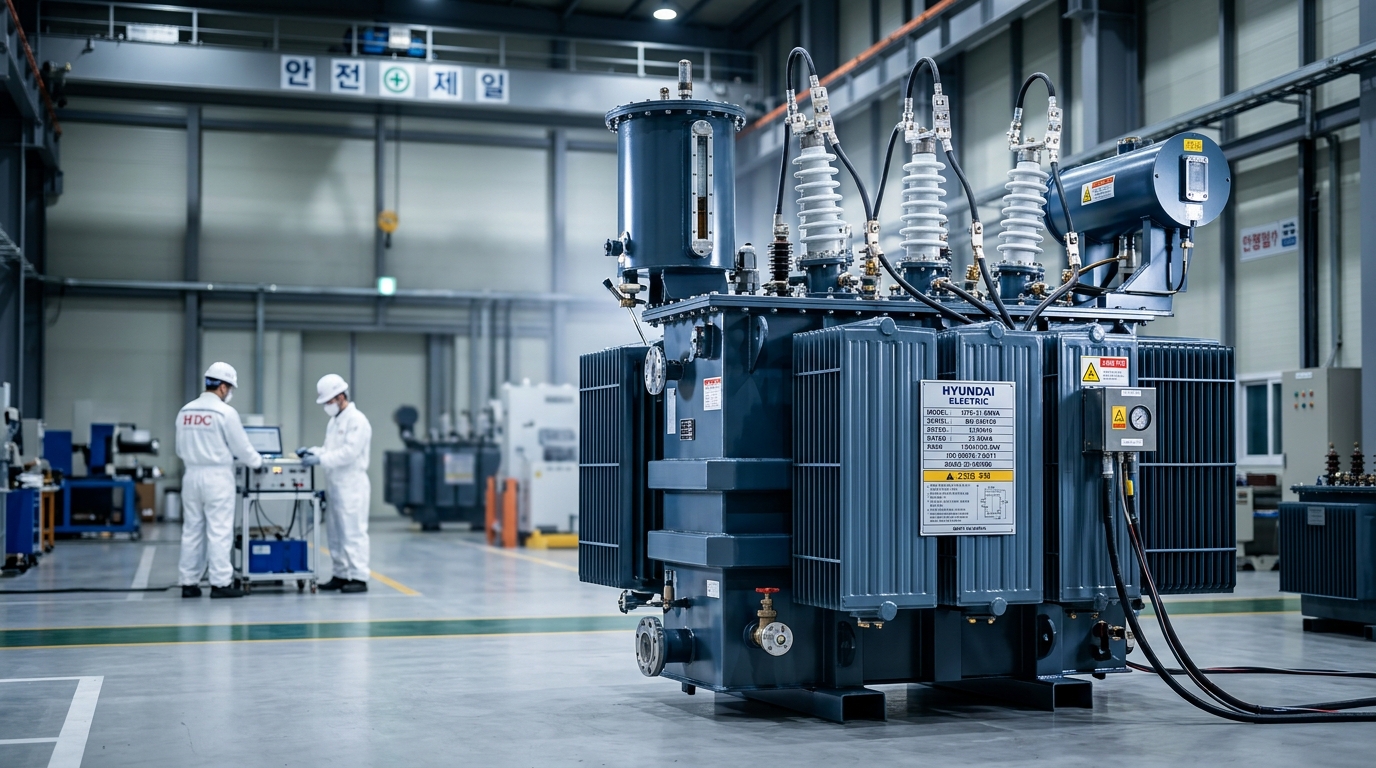
What Is a Transformer? Your Essential Guide to Powering the World
Demystify transformers with our simple guide for B2B professionals. Learn what a transformer is, how it works, its key components, and vital role in global power grids, adhering to IEC 60076 and IEEE C57 standards.
Read
How to Verify Transformer Suppliers for Your Project
Learn how overseas buyers verify transformer suppliers for critical projects. Essential checks include technical capabilities, quality control, financial stability, and after-sales support.
Read