Inside a Transformer: Key Components & How They Work Together
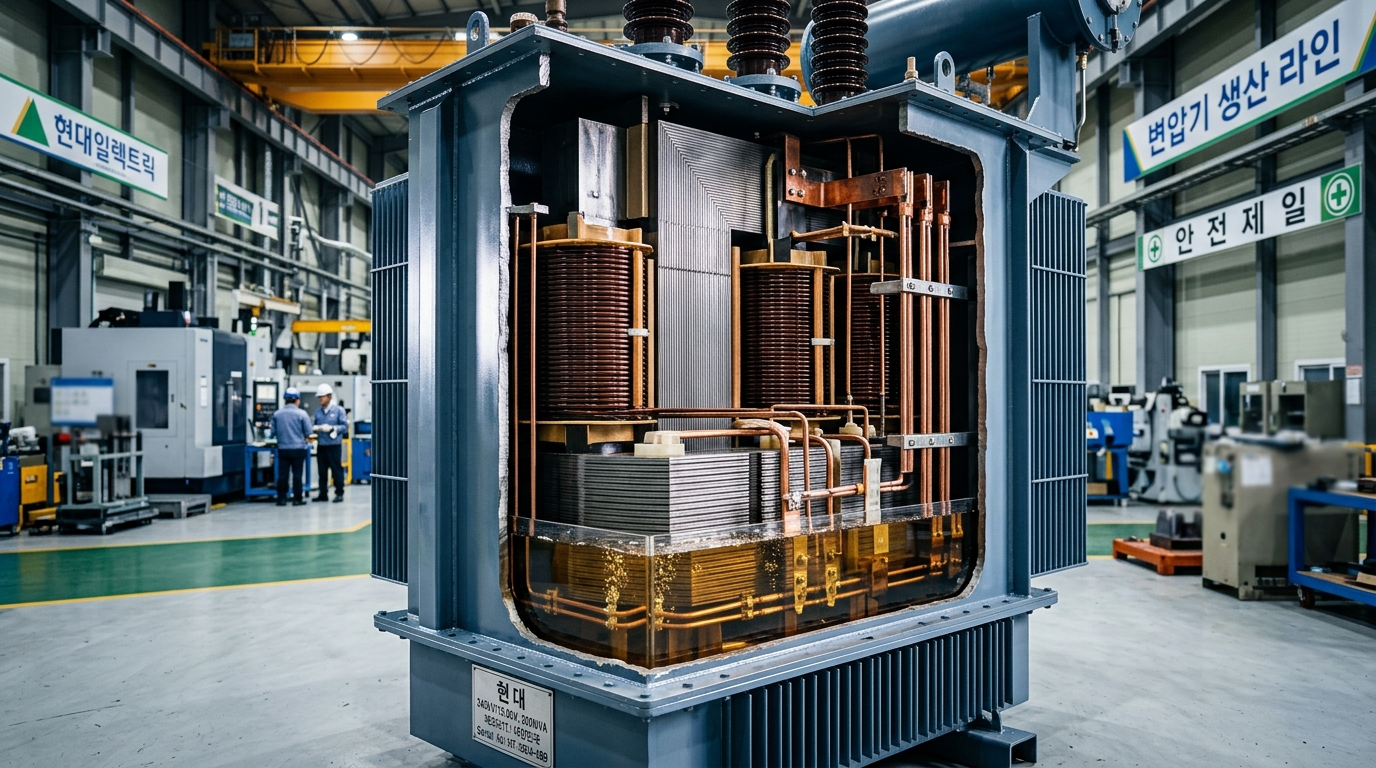
Inside a Transformer: Key Components & How They Work Together
Power transformers are the backbone of modern electrical grids, facilitating the efficient transmission and distribution of electricity across vast distances. While their exterior might appear monolithic, the true marvel lies within: a complex interplay of meticulously engineered power transformer components working in perfect harmony. Understanding how power transformers work at this granular level is crucial for engineers, procurement specialists, and project managers focused on reliability, efficiency, and compliance with stringent international standards like IEC 60076 and IEEE C57. For global markets, particularly those relying on robust solutions from Korean exporters, recognizing the quality and functionality of each part is paramount.
This article will take you on an in-depth tour, dissecting the primary components that constitute a high-voltage power transformer. We'll explore their individual functions, the materials often used, and critically, how these elements integrate to ensure stable, efficient, and safe operation. We’ll also touch upon the standards that dictate their design and performance, essential for discerning buyers in critical sectors like utility and industrial infrastructure.
The Fundamental Power Transformer Components
Every power transformer, whether a large grid transformer or a medium-sized industrial unit, relies on a core set of components to perform its voltage transformation duties. Their robust design and precise manufacturing are critical for the long operational life expected of these vital assets.
1. The Core: The Magnetic Heartbeat
- Function: The core provides a low-reluctance path for the magnetic flux, linking the primary and secondary windings. It's the central element facilitating the energy transfer through electromagnetic induction.
- Construction: Typically made from thin laminations of high-grade, cold-rolled grain-oriented (CRGO) silicon steel. These laminations are insulated from each other to reduce eddy current losses. Common designs include core-type (windings surround core limbs) and shell-type (core surrounds windings).
- Importance: A well-designed core minimizes core losses (hysteresis and eddy current losses), directly impacting the transformer's efficiency. Adherence to strict material specifications is key, influencing the transformer's noise levels and overall performance as per IEC 60076 and IEEE C57 guidelines.
2. Windings: The Conductive Pathways
- Function: These are the coils of insulated wire or foil that carry the electric current. The primary winding is connected to the input voltage, while the secondary winding delivers the output voltage, stepped up or down.
- Construction: Made from high-purity electrolytic copper or sometimes aluminum, insulated with materials like paper, enamel, or a combination. Various winding configurations exist, such as helical, spiral, disk, or layer windings, chosen based on voltage, current, and insulation requirements.
- Importance: Winding design dictates voltage transformation ratio, current carrying capacity, and short-circuit withstand capability. Robust insulation systems are critical to prevent inter-turn or phase-to-ground faults. The quality of windings is a direct determinant of the transformer's efficiency and reliability under load, often a key differentiator for premium Korean power transformer exports.
3. Transformer Tank: The Protective Enclosure
- Function: The tank is the robust steel enclosure that houses the core-and-coil assembly, providing mechanical protection and containment for the insulating oil.
- Construction: Typically fabricated from mild steel, welded to withstand internal pressures and external environmental stresses. It includes provisions for radiators, bushings, and other accessories.
- Importance: The tank must be leak-proof and strong enough to protect internal components throughout the transformer's lifespan, even in challenging environments encountered in the Middle East or Southeast Asia.
4. Insulating Oil: The Cooling and Dielectric Medium
- Function: Transformer oil serves two primary purposes: to provide electrical insulation between active parts (windings and core) and the tank, and to dissipate heat generated by losses in the windings and core.
- Types: Mineral oil is most common due to its excellent dielectric properties and cooling capabilities. Alternatives include natural and synthetic esters, offering superior fire resistance and environmental benefits.
- Importance: The dielectric strength and thermal properties of the oil are critical for preventing electrical breakdowns and managing operating temperatures. Regular testing and maintenance of the oil are essential for prolonging transformer life and ensuring compliance with operational standards, including KEPCO's stringent requirements for grid reliability.
5. Bushings: The External Connectors
- Function: Bushings provide an insulated passage for the conductors (high-voltage and low-voltage leads) to pass through the transformer tank wall, connecting the internal windings to the external power lines without flashover.
- Construction: Made from porcelain or composite materials, with a central conductor rod. They are designed to withstand high voltages and environmental conditions.
- Importance: Bushings are critical for maintaining insulation integrity and preventing external electrical discharges. Their design and material choice must comply with specific voltage classes and environmental conditions, as outlined in IEC 60076 and IEEE C57.
6. Cooling System: Managing the Heat
- Function: Transformers generate heat during operation due to losses. The cooling system dissipates this heat to prevent thermal degradation of insulation and ensure efficient operation.
- Types: Common cooling methods include natural air (AN), forced air (AF), natural oil circulation with natural air (ONAN), natural oil circulation with forced air (ONAF), and forced oil circulation with forced air (OFAF). Radiators, fans, and oil pumps are key components of these systems.
- Importance: An effective cooling system is vital for maintaining the transformer's operating temperature within safe limits, extending its lifespan, and ensuring its rated power capacity is maintained, particularly for heavy-duty applications in the United States and European industrial sectors.
7. Tap Changer: Voltage Regulation
- Function: The tap changer allows for adjusting the voltage ratio of the transformer, compensating for variations in the supply voltage or load demand. This ensures a stable output voltage to the grid or load.
- Types: Can be off-load (requires transformer de-energization) or on-load tap changer (OLTC), which permits voltage adjustments while the transformer remains energized. OLTCs are common in large power transformers.
- Importance: Tap changers are crucial for grid stability and power quality. The reliability of an OLTC is paramount, as it involves mechanical switching under electrical stress, a focus area for high-quality manufacturers.
8. Protection Devices: Safety and Monitoring
- Function: These devices monitor the transformer's health and provide critical warnings or automatic shutdowns in case of fault conditions, preventing catastrophic failures.
- Examples: Buchholz relay (detects internal faults), pressure relief device (relieves excessive internal pressure), oil temperature indicators, winding temperature indicators, sudden pressure relay, current transformers for protection relays.
- Importance: Protection devices are indispensable for operational safety and asset protection. Their accurate and timely response is vital for preventing costly damage and ensuring continuity of service.
The Symphony of Synergy: How Components Work Together
No single component functions in isolation. The core guides the magnetic flux generated by the primary windings, inducing voltage in the secondary. The insulating oil not only insulates these windings and the core but also carries away the heat generated by their electrical and magnetic losses. The cooling system, comprising radiators and fans, then dissipates this heat to the ambient environment. Bushings provide the secure, insulated connections to the external grid, while the tap changer fine-tunes the output voltage, adapting to dynamic load conditions.
Protection devices continuously monitor the temperature, pressure, and gas accumulation, acting as vigilant guardians of this intricate system. A failure in one component can cascade, impacting the entire transformer's performance and potentially leading to extensive damage or widespread power outages. Therefore, the integrated design, manufacturing precision, and quality of each part are fundamental to the overall reliability and longevity of the unit.
Ensuring Quality and Compliance for Global Markets
For B2B buyers, especially those looking to import high-quality power transformers, understanding these components and their adherence to standards is not just technical insight—it's a critical aspect of risk management and investment protection. Reputable Korean power transformer manufacturers excel in integrating these components, ensuring every unit shipped meets or exceeds the rigorous specifications of IEC 60076 for power transformers, IEEE C57 series for North American markets, and specific operational standards demanded by utilities like KEPCO.
From advanced transformer core design that minimizes losses, to sophisticated transformer winding types optimized for diverse load profiles, and meticulously managed insulating oil in transformers for peak dielectric strength, Korean expertise ensures robust performance. Our commitment to precision engineering and stringent quality control processes guarantees that each component contributes optimally to the transformer's efficiency, durability, and operational safety, making our exports a trusted choice for demanding infrastructure projects worldwide.
Conclusion
The journey inside a transformer reveals a testament to engineering ingenuity, where each component plays a vital, interconnected role in the grand scheme of electrical power management. For industries and utilities across the United States, Europe, the Middle East, and Southeast Asia, investing in power transformers means investing in the collective reliability of its internal components. By choosing manufacturers committed to international standards and demonstrating excellence in every part's design and integration, such as leading Korean exporters, you ensure the foundational integrity of your electrical infrastructure, securing efficient and resilient power delivery for years to come.
Frequently Asked Questions
What are the primary components of a power transformer?
The primary components include the magnetic core, windings (primary and secondary), insulating oil, tank, bushings, cooling system, and tap changer. These elements work together to transform voltage efficiently and safely.
How does the transformer core contribute to its function?
The core provides a low-reluctance path for magnetic flux, essential for electromagnetic induction between windings. Made from laminated silicon steel, it minimizes losses and ensures efficient energy transfer as per IEC 60076 standards.
Why is insulating oil crucial in a power transformer?
Insulating oil serves as both an electrical insulator between live parts and a cooling medium, dissipating heat generated by the core and windings. Its dielectric strength and thermal properties are vital for preventing breakdowns and ensuring longevity.
What is the role of an on-load tap changer (OLTC)?
An OLTC regulates the transformer's voltage ratio while it remains energized. This allows for voltage adjustments to compensate for fluctuations in supply or load, maintaining grid stability and power quality without service interruption.
Recommended Products
Discover related products from our store
Read Next
Continue reading related articles curated for you.
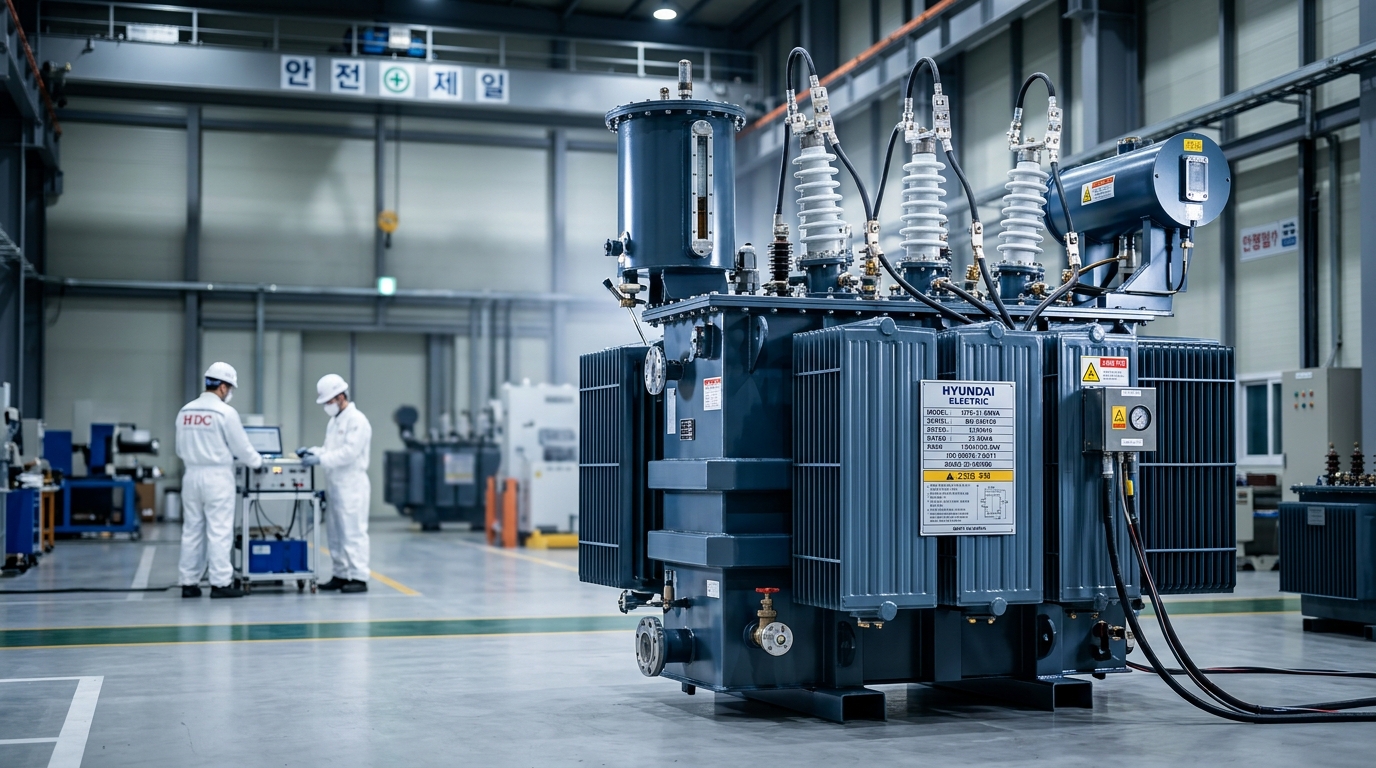
What Is a Transformer? Your Essential Guide to Powering the World
Demystify transformers with our simple guide for B2B professionals. Learn what a transformer is, how it works, its key components, and vital role in global power grids, adhering to IEC 60076 and IEEE C57 standards.
Read
Transformer Vector Group Explained: A Buyer's Guide
Demystify transformer vector groups! Learn what they are, how to read notation (like Dyn11), and why they're crucial for international buyers ensuring grid compatibility & safety.
Read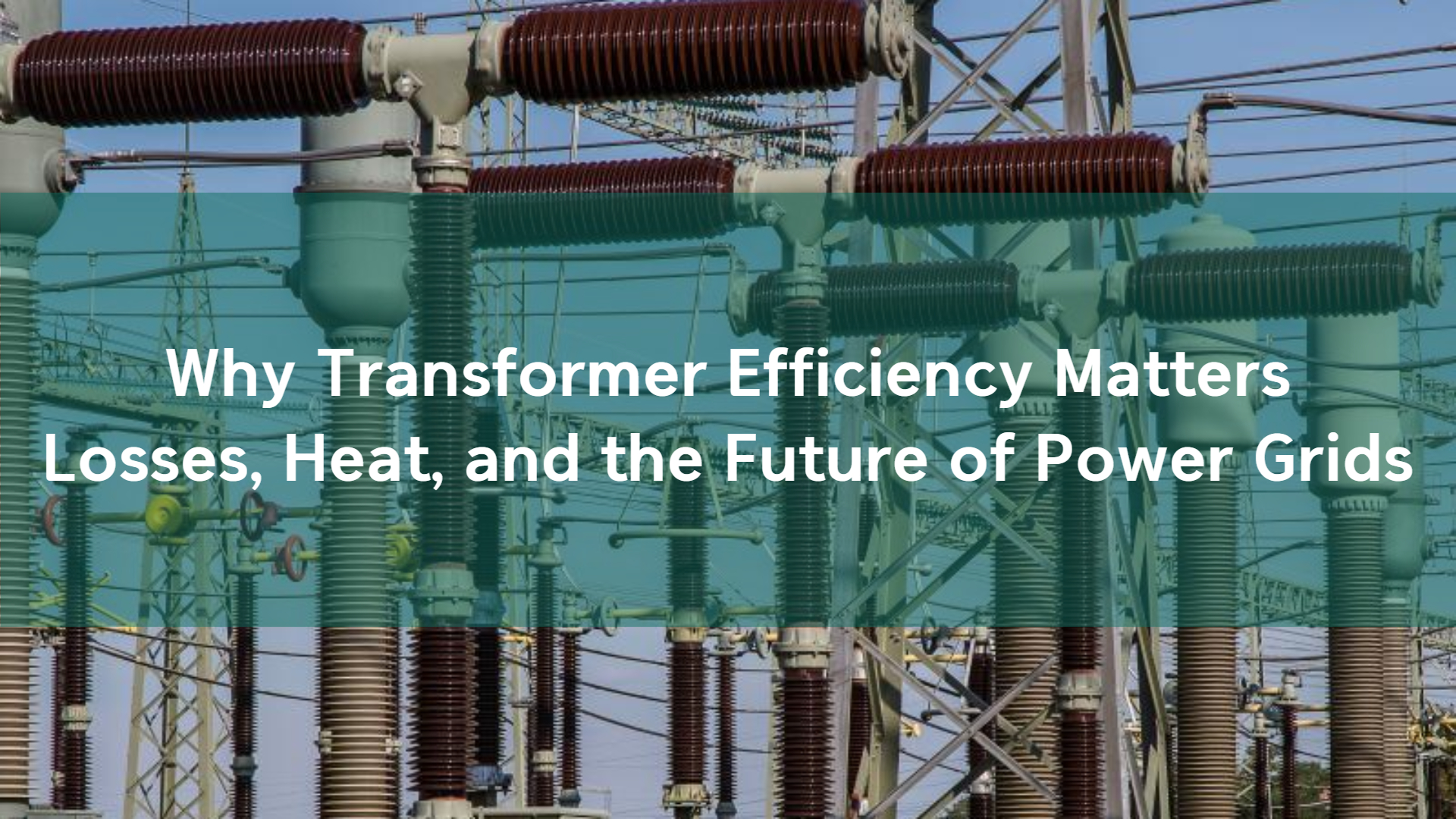
Transformer Efficiency: Cutting Losses for a Greener Grid
Discover why transformer efficiency is vital for power grids, exploring losses, heat, and the future of sustainable energy distribution.
Read