Transformer Efficiency: Cutting Losses for a Greener Grid
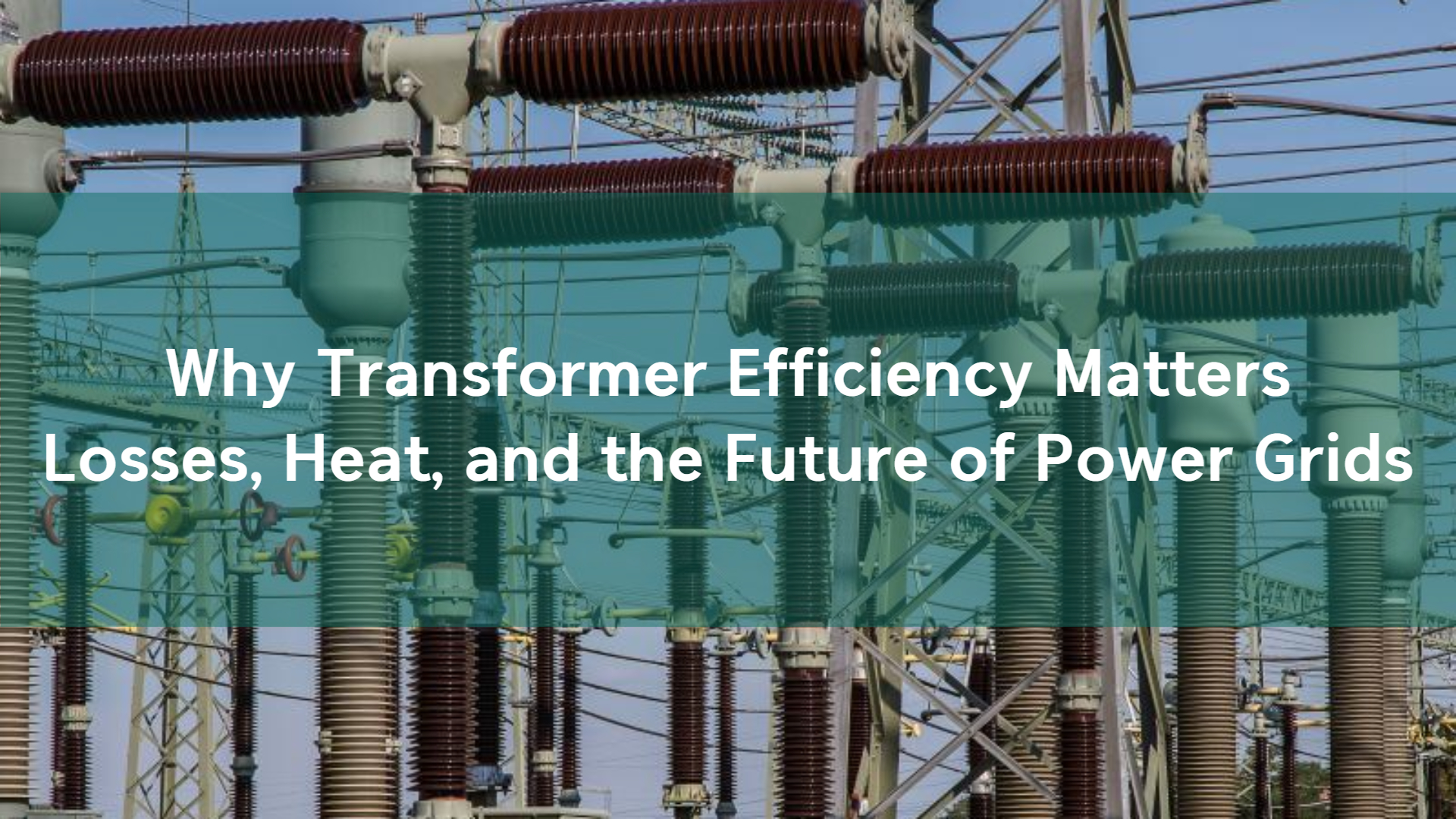
Transformer Efficiency: Cutting Losses for a Greener Grid
The Silent Workhorse: Why Transformer Efficiency is Paramount
In the intricate world of electrical power distribution, transformers are the unsung heroes. These static electrical devices are indispensable for changing voltage levels, enabling the efficient transfer of electricity from generation plants to homes and businesses. However, not all transformers are created equal. The concept of transformer efficiency is a critical, often overlooked, factor that significantly impacts energy consumption, operational costs, and the overall health of our power grids. As global energy demands surge and the imperative for sustainability intensifies, understanding and optimizing transformer efficiency is no longer a technical nicety; it's a fundamental necessity.
Understanding Transformer Losses: The Hidden Energy Drain
Transformers, like any electromechanical device, are not perfectly efficient. They incur energy losses during operation, meaning a portion of the input electrical energy is converted into forms of energy that are not useful, primarily heat. These losses can be broadly categorized into two main types:
1. Core Losses (No-Load Losses)
Core losses occur in the magnetic core of the transformer and are present even when no load is connected. They are primarily due to two phenomena:
- Hysteresis Loss: This loss arises from the energy required to reorient the magnetic domains within the iron core material each time the alternating current changes direction. Repeated magnetization and demagnetization generate heat.
- Eddy Current Loss: As the magnetic flux alternates in the core, it induces circulating currents within the core material itself. These eddy currents flow against the resistance of the core, dissipating energy as heat. Laminated core construction, where the core is made of thin, insulated sheets, is employed to significantly reduce eddy currents.
Core losses are relatively constant regardless of the load on the transformer. They are more pronounced in older or poorly designed transformers.
2. Copper Losses (Load Losses)
Copper losses, also known as load losses or I²R losses, occur in the windings of the transformer (typically copper or aluminum). These losses are directly proportional to the square of the load current and the resistance of the windings.
- Resistive Heating: As current flows through the windings, the inherent resistance of the conductor causes energy to be dissipated as heat. The higher the current, the greater the heat generated.
- Stray Load Losses: These are more complex losses that occur at higher frequencies due to leakage flux in the windings and core.
Unlike core losses, copper losses vary significantly with the load. They are minimal at light loads and become substantial at heavy loads.
The Ripple Effect: Heat and Its Consequences
The energy lost in a transformer is primarily dissipated as heat. While some heat is unavoidable, excessive heat generation due to inefficient design or operation leads to a cascade of negative consequences:
1. Reduced Lifespan and Reliability
Elevated temperatures are the archenemy of insulation materials (like paper and oil) used in transformers. Prolonged exposure to high heat accelerates the degradation of these insulating materials, leading to:
- Weakened insulation, increasing the risk of internal short circuits.
- Reduced dielectric strength of the insulating oil.
- Overall decreased lifespan of the transformer.
A transformer failure can lead to costly downtime, power outages, and significant repair or replacement expenses.
2. Increased Operational Costs
Every unit of energy lost as heat represents wasted electricity. This directly translates to higher electricity bills for utilities and, ultimately, for consumers. In large-scale power grids with thousands of transformers, these cumulative losses can amount to a substantial financial burden over time. Investing in high-efficiency transformers can yield significant long-term savings.
3. Environmental Impact
The energy wasted by inefficient transformers contributes to increased greenhouse gas emissions from power generation sources. Furthermore, the production and disposal of transformers have their own environmental footprints. By reducing energy losses, we lessen the demand on power plants, thereby contributing to a more sustainable energy future.
Designing for Efficiency: The Role of Standards and Innovation
The pursuit of transformer efficiency is guided by international and national standards. For instance, transformers adhering to IEC 60076 standards are designed and tested to meet stringent efficiency benchmarks. Similarly, utilities like KEPCO (Korea Electric Power Corporation) often have their own rigorous specifications for power transformers, emphasizing efficiency and reliability. IEEE C57 standards also provide a framework for transformer design and performance, including efficiency considerations.
Materials and Design Innovations
Manufacturers are continuously innovating to improve transformer efficiency:
- Advanced Core Materials: Utilizing amorphous magnetic alloys or high-grade silicon steel laminations with lower hysteresis and eddy current losses.
- Optimized Winding Design: Employing techniques like foil windings or transposed conductors to minimize resistance and eddy current losses in windings.
- Improved Cooling Systems: More efficient cooling mechanisms help dissipate heat effectively, preventing temperature buildup.
The Future of Power Grids: Efficiency as a Cornerstone
The global shift towards renewable energy sources, the rise of smart grids, and the increasing electrification of transportation (EVs) are placing unprecedented demands on power infrastructure. In this evolving landscape, transformer efficiency becomes even more critical:
- Integration of Renewables: Renewable energy sources like solar and wind are often intermittent and distributed. Efficient transformers are needed to seamlessly integrate these sources into the grid and manage the fluctuating power flows.
- Smart Grid Functionality: Smart grids require advanced monitoring and control capabilities. Efficient transformers, often equipped with digital monitoring systems, are essential for real-time performance tracking and predictive maintenance.
- Electrification: As more sectors electrify, the overall electricity demand will rise. Maximizing efficiency at every stage, starting with transformers, is crucial to manage this load without overwhelming generation capacity or exacerbating energy waste.
Conclusion: Investing in Efficiency is Investing in the Future
Transformer efficiency is a multifaceted issue with far-reaching implications. It impacts operational costs, equipment longevity, grid reliability, and environmental sustainability. As we navigate the complexities of modernizing our power grids and transitioning to a cleaner energy future, prioritizing high-efficiency transformers, designed and manufactured to international standards like IEC 60076, KEPCO, and IEEE C57, is not just a wise choice—it's an essential investment. By minimizing losses and heat, we build more resilient, cost-effective, and environmentally responsible power systems for generations to come. For businesses seeking robust and efficient power transmission solutions, partnering with experienced manufacturers committed to quality and innovation is key to unlocking these benefits.
Recommended Products
Discover related products from our store
Read Next
Continue reading related articles curated for you.
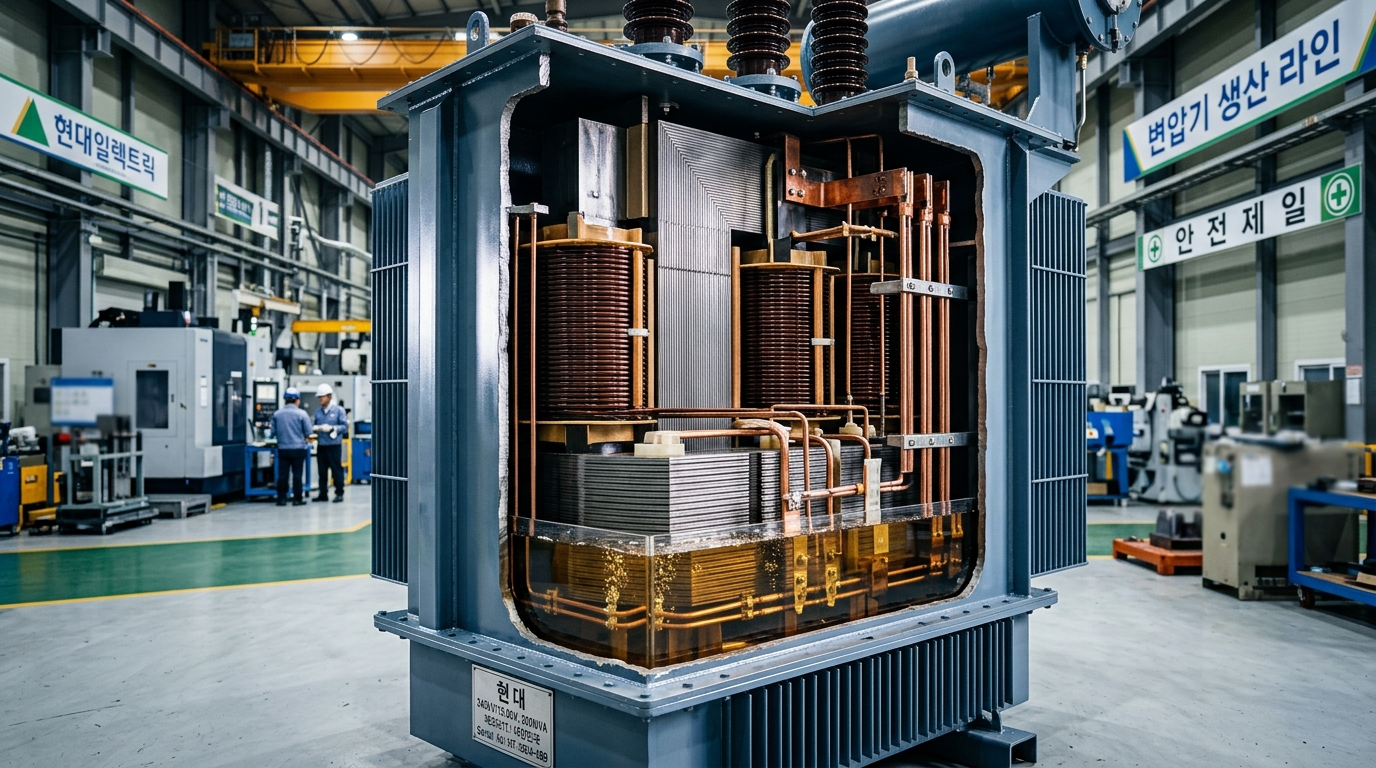
Inside a Transformer: Key Components & How They Work Together
Explore the critical components inside a power transformer, from the core to cooling systems, and discover how they synergize to ensure reliable, efficient power delivery. Learn about adherence to IEC 60076 and IEEE C57 standards for global markets.
Read
Transformer Vector Group Explained: A Buyer's Guide
Demystify transformer vector groups! Learn what they are, how to read notation (like Dyn11), and why they're crucial for international buyers ensuring grid compatibility & safety.
Read
Power vs. Distribution Transformers: Key Differences Explained
Explore the critical differences between power and distribution transformers, their roles in the electrical grid, key specifications, and governing standards like IEC 60076.
Read