Dry Type vs. Oil Transformers for Commercial Buildings
Dry Type vs. Oil Transformers for Commercial Buildings
Dry Type vs. Oil Immersed Transformer: Which is Better for Commercial Buildings?
When it comes to powering commercial buildings, the choice of transformer is critical. Not only does it ensure a stable and reliable electricity supply, but it also plays a significant role in safety, efficiency, and operational costs. Two primary types of transformers dominate the market: dry-type transformers and oil-immersed transformers. Each has its distinct advantages and disadvantages, making the selection process a crucial decision for building owners, facility managers, and electrical engineers. This article will delve into the intricacies of both transformer types, comparing them across key parameters to help determine which is the superior choice for commercial building applications, considering international standards like IEC 60076 and IEEE C57, and the needs of entities like KEPCO.
Understanding Dry-Type Transformers
Dry-type transformers, as the name suggests, do not use liquid as an insulating medium. Instead, they rely on air, or solid cast resin or vacuum-pressure impregnated (VPI) insulation, to cool and insulate the windings and core. This design inherently makes them safer, especially in environments where fire hazards are a concern.
Key Features and Benefits of Dry-Type Transformers:
- Enhanced Safety: The absence of flammable oil significantly reduces fire risk. This is a major advantage for commercial buildings, particularly those with high occupancy or sensitive equipment, such as hospitals, data centers, and shopping malls. They are often compliant with stricter fire safety regulations.
- Low Environmental Impact: No risk of oil leaks means no soil or groundwater contamination. This simplifies installation in environmentally sensitive areas and reduces long-term environmental liability.
- Reduced Maintenance: Dry-type transformers generally require less maintenance than their oil-immersed counterparts. They don't need oil testing, filtering, or replacement. Maintenance typically involves periodic cleaning and inspection of connections.
- Installation Flexibility: They can be installed indoors, close to the load, reducing cable lengths and associated voltage drops and energy losses. Their lighter weight and lack of containment requirements simplify installation, especially in higher floors or tight spaces.
- Durability and Longevity: Modern dry-type transformers, especially cast resin types, are designed for long service life and can withstand demanding environmental conditions.
Potential Drawbacks of Dry-Type Transformers:
- Higher Initial Cost: Generally, dry-type transformers have a higher upfront purchase price compared to oil-immersed transformers of the same rating.
- Sensitivity to Humidity and Dust: Certain designs, particularly VPI, can be more susceptible to performance degradation in very humid or dusty environments if not properly protected. Cast resin designs offer superior protection against these elements.
- Noise Levels: Some dry-type transformers can be noisier than oil-immersed units, which might be a consideration for noise-sensitive areas within a commercial building.
- Limited Capacity at Higher Voltages: While advancements are continuous, achieving very high voltage and capacity ratings can be more challenging and costly with dry-type designs compared to oil-immersed.
Understanding Oil-Immersed Transformers
Oil-immersed transformers utilize insulating oil (typically mineral oil) to cool and insulate the core and windings. This oil circulates, dissipating heat generated during operation. They have been the workhorse of the electrical distribution system for decades and are known for their robustness and efficiency.
Key Features and Benefits of Oil-Immersed Transformers:
- Cost-Effectiveness: For equivalent power ratings, oil-immersed transformers often have a lower initial purchase cost.
- Excellent Cooling Efficiency: The oil provides superior cooling, allowing these transformers to handle higher power loads more efficiently and potentially operate at higher densities without overheating.
- Proven Reliability and Durability: Decades of use have proven their reliability in a wide range of applications. They are generally robust and can withstand various operating conditions.
- Effective Insulation Properties: The oil serves as an excellent dielectric medium, providing superior insulation, especially at higher voltage levels.
- Quieter Operation: Often, oil-immersed transformers operate more quietly than dry-type units due to the damping effect of the oil.
Potential Drawbacks of Oil-Immersed Transformers:
- Fire and Explosion Risk: The primary concern is the flammability of the insulating oil. In case of a fault, the oil can ignite, posing a significant fire hazard, especially in indoor commercial settings. This necessitates additional safety measures like fire-resistant enclosures, containment bunds, and sprinkler systems.
- Environmental Concerns: Oil leaks can lead to severe environmental contamination, requiring costly cleanup operations and regulatory penalties.
- Higher Maintenance Requirements: The insulating oil degrades over time and needs regular testing (for dielectric strength, moisture content, acidity, etc.) and potential filtration or replacement. Bushings and gaskets also require periodic inspection.
- Installation Restrictions: Due to safety and environmental concerns, they often cannot be installed directly within the building's main structure, especially in populated areas. They typically require dedicated, ventilated rooms or outdoor installation, often necessitating longer cable runs.
- Weight and Size: Oil-immersed transformers can be heavier and bulkier due to the oil and the associated containment systems.
Direct Comparison for Commercial Buildings
When evaluating which transformer type is better for a commercial building, several factors must be weighed:
Safety Considerations:
For commercial buildings, especially those with high human traffic or critical operations (hospitals, schools, data centers, hotels), safety is paramount. Dry-type transformers, particularly cast resin variants, offer a clear advantage due to their inherent fire resistance. The risk of fire, explosion, and subsequent damage or injury is dramatically reduced. Oil-immersed transformers require significant investment in fire suppression and containment systems to mitigate these risks in an indoor commercial environment.
Environmental Impact and Regulations:
Increasingly stringent environmental regulations favor dry-type transformers. The potential for catastrophic oil spills and the associated cleanup costs and liabilities make oil-immersed transformers less desirable in environmentally sensitive locations or where strict adherence to environmental standards is mandatory. Korean standards, influenced by IEC, and global best practices are steering towards safer, greener solutions.
Installation Location and Flexibility:
Commercial buildings often have limited space. Dry-type transformers can be installed closer to the point of load, such as on the same floor as the equipment they serve. This proximity minimizes cable lengths, reducing energy losses (I²R losses) and voltage drop, leading to improved energy efficiency and potentially lower operational costs. Oil-immersed transformers often require dedicated, isolated rooms, frequently in basements or outdoors, increasing installation complexity and infrastructure costs.
Maintenance and Operational Costs:
While the initial purchase price of a dry-type transformer might be higher, its lower maintenance requirements can lead to significant long-term savings. Eliminating oil testing, filtration, and replacement, along with reduced risk of environmental cleanup, contributes to a lower total cost of ownership (TCO). Oil-immersed transformers demand a more rigorous and costly maintenance schedule.
Capacity and Voltage Requirements:
For standard commercial building applications, both types can adequately meet the power and voltage needs. However, for extremely high power demands or very high voltage applications (typically found in industrial substations rather than most commercial buildings), oil-immersed transformers have historically offered advantages in terms of cost and design feasibility. Nevertheless, modern dry-type transformers are increasingly capable of handling higher capacities and voltages, narrowing this gap.
Noise Considerations:
If noise is a critical factor (e.g., adjacent to offices, recording studios, or residential units within a mixed-use building), the quieter operation of oil-immersed transformers might be preferred. However, advancements in dry-type transformer design and the use of acoustic enclosures can mitigate noise issues.
Conclusion: The Ascendancy of Dry-Type Transformers for Commercial Buildings
Considering the multifaceted demands of modern commercial buildings—prioritizing safety, environmental responsibility, operational efficiency, and flexibility—dry-type transformers emerge as the generally superior choice. Their inherent safety features address the critical need to protect occupants and assets from fire hazards. The reduced environmental liability aligns with corporate sustainability goals and regulatory compliance. The flexibility in installation can lead to significant energy savings and optimized space utilization.
While oil-immersed transformers remain a viable and cost-effective option for certain applications, especially where initial cost is the absolute primary driver and safety/environmental concerns can be robustly managed through external measures, the overall profile of dry-type transformers aligns better with the evolving needs and priorities of commercial property development and operation. For decision-makers in commercial real estate, facility management, and electrical engineering, investing in dry-type transformers is often a strategic decision that enhances safety, reduces long-term operational burdens, and contributes to a more sustainable and resilient infrastructure.
When selecting transformers, especially for demanding international markets adhering to standards like IEC 60076, IEEE C57, and the specific requirements of utility providers such as KEPCO, consulting with experienced manufacturers who can provide tailored solutions is crucial. Expertise in export standards and application-specific knowledge ensures the optimal choice for the unique challenges of powering commercial spaces worldwide.
Recommended Products
Discover related products from our store
Read Next
Continue reading related articles curated for you.
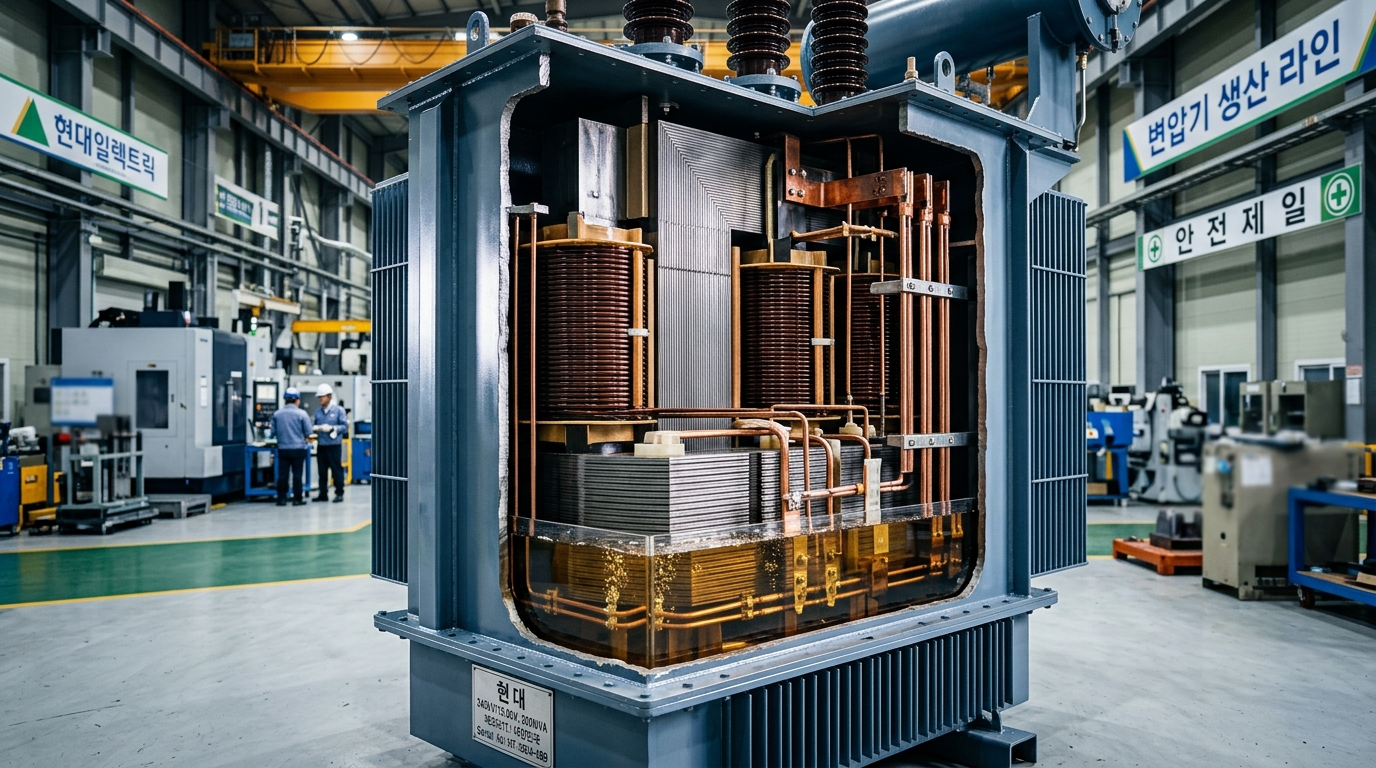
Inside a Transformer: Key Components & How They Work Together
Explore the critical components inside a power transformer, from the core to cooling systems, and discover how they synergize to ensure reliable, efficient power delivery. Learn about adherence to IEC 60076 and IEEE C57 standards for global markets.
Read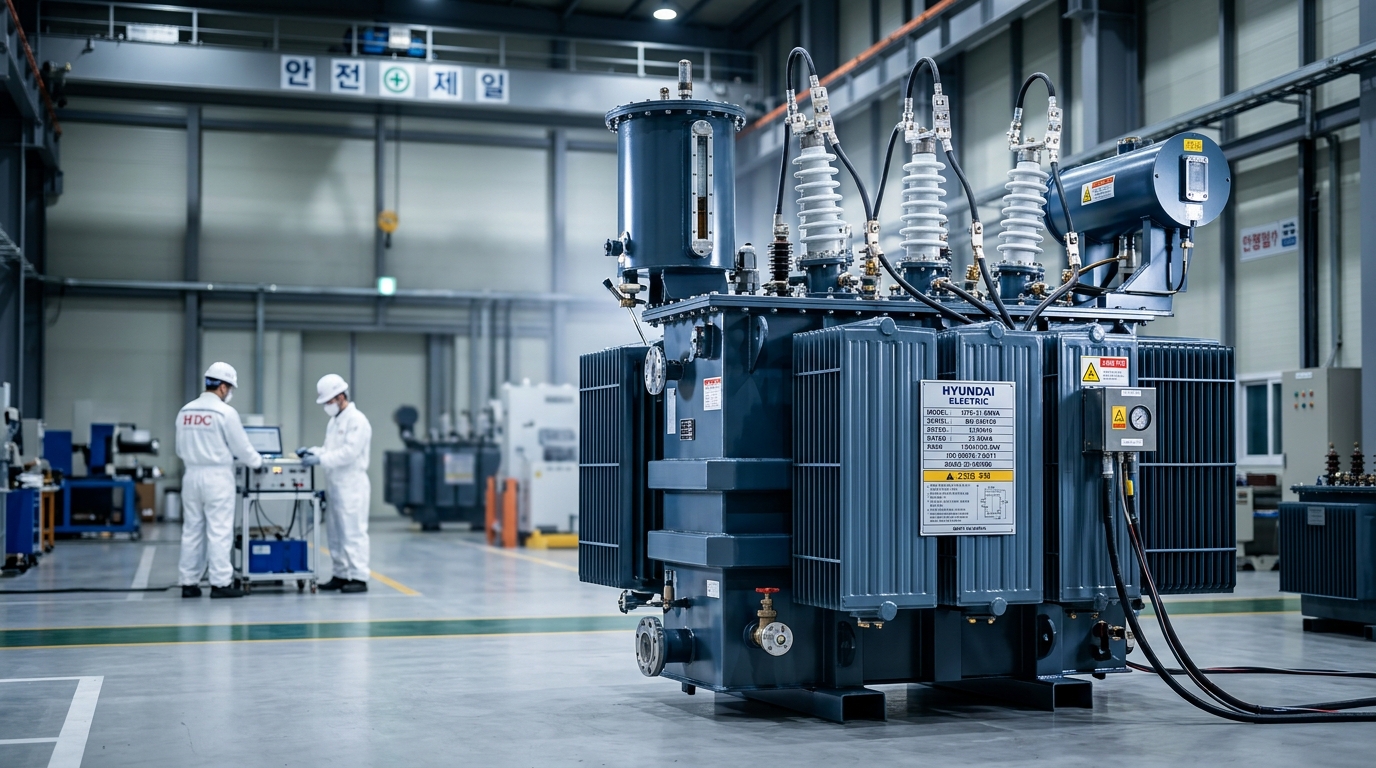
What Is a Transformer? Your Essential Guide to Powering the World
Demystify transformers with our simple guide for B2B professionals. Learn what a transformer is, how it works, its key components, and vital role in global power grids, adhering to IEC 60076 and IEEE C57 standards.
Read
Transformer Vector Group Explained: A Buyer's Guide
Demystify transformer vector groups! Learn what they are, how to read notation (like Dyn11), and why they're crucial for international buyers ensuring grid compatibility & safety.
Read