How to Verify Transformer Suppliers for Your Project
How to Verify Transformer Suppliers for Your Project
Selecting the Right Transformer Supplier: A Crucial Step for Project Success
In the complex world of industrial infrastructure, the power transformer is an indispensable component. Whether for a new grid expansion, an industrial plant upgrade, or a renewable energy project, the reliability and performance of these critical assets directly impact operational efficiency, safety, and profitability. For overseas buyers, the process of identifying and verifying a reputable transformer supplier is paramount. It’s a multi-faceted due diligence that goes beyond mere price comparisons. This article will delve into the key steps overseas buyers take to rigorously verify potential transformer suppliers, ensuring a successful partnership and a high-quality product.
1. Thoroughly Reviewing Technical Capabilities and Certifications
The first and perhaps most crucial step is evaluating a supplier's technical prowess. Buyers need to be confident that the manufacturer can meet their specific technical requirements, often dictated by international standards like IEC 60076, national standards (e.g., KEPCO standards for Korea, IEEE C57 for North America), or project-specific specifications. This involves:
- Product Portfolio and Experience: Buyers examine the supplier's range of transformer types (e.g., power transformers, distribution transformers, special application transformers) and their experience with similar projects or specifications. A proven track record in delivering transformers that meet stringent performance criteria is a strong indicator of capability.
- Engineering and Design Expertise: The ability to design and customize transformers is vital. Buyers look for evidence of a strong engineering team, sophisticated design software, and a clear understanding of factors like load fluctuations, environmental conditions, and grid stability requirements.
- Manufacturing Facilities and Quality Control: A site visit, if feasible, or a detailed review of manufacturing processes is essential. This includes assessing the quality of raw materials, the sophistication of production equipment, and, most importantly, the robustness of their Quality Control (QC) and Quality Assurance (QA) systems. Look for adherence to ISO 9001 and other relevant quality management standards.
- Certifications and Compliance: Buyers verify that the supplier's products comply with relevant international and national standards. For instance, if the project is in the United States, adherence to IEEE C57 is critical. In Europe, compliance with IEC 60076 and CE marking is often required. For Asian markets, specific regional standards may apply. Certifications from independent testing laboratories (like KEMA, CESI, UL) provide further assurance.
2. Assessing Manufacturing Capacity and Lead Times
Project timelines are often tight, making a supplier's capacity and ability to meet delivery schedules critical. Overseas buyers will inquire about:
- Production Capacity: Can the supplier handle the volume and size of transformers required within the project timeline? Understanding their production line capacity and current order backlog is key to avoiding delays.
- Lead Time Guarantees: Buyers expect realistic and guaranteed lead times for manufacturing, testing, and delivery. Any historical data or references regarding on-time delivery are valuable.
- Supply Chain Management: A supplier with strong relationships with reliable raw material providers and efficient logistics partners is more likely to meet deadlines. Inquiries into their supply chain resilience are common.
3. Investigating Financial Stability and Reliability
Entering into a long-term contract for high-value equipment like power transformers requires assurance of the supplier's financial health. Buyers often conduct background checks to assess:
- Financial Statements: Requesting audited financial reports can provide insights into the company's profitability, liquidity, and solvency.
- Creditworthiness: Third-party credit reports or references from financial institutions can help gauge the supplier's financial standing and reliability.
- Longevity and Reputation: A company with a long history in the industry and a solid reputation is generally a safer bet than a newer, unproven entity.
4. Evaluating After-Sales Service and Support
The relationship with a transformer supplier doesn't end with delivery. Buyers need to ensure ongoing support and service throughout the transformer's lifecycle:
- Warranty Provisions: Clear and comprehensive warranty terms are essential. Buyers scrutinize the duration, coverage, and claim process.
- Technical Support: The availability of expert technical support for installation, commissioning, and troubleshooting is crucial, especially for overseas buyers who may not have local expertise.
- Spare Parts Availability: Ensuring that spare parts are readily available, either from the supplier or authorized local distributors, is important for minimizing downtime in case of repairs.
- Maintenance and Repair Services: Understanding the supplier's capabilities or network for offering repair and maintenance services, particularly for complex issues, is a key consideration.
5. Requesting References and Site Visits
Past performance is often the best predictor of future results. Buyers frequently request:
- Client References: Contacting previous clients, especially those with similar projects or geographical locations, can provide invaluable firsthand feedback on the supplier's product quality, delivery performance, and customer service.
- Site Visits: For significant projects, a pre-award site visit to the supplier's manufacturing facilities is often conducted. This allows buyers to personally inspect the production lines, quality control procedures, and overall operational standards.
6. Understanding Communication and Cultural Nuances
Effective communication is the bedrock of any successful international business relationship. Overseas buyers assess:
- Language Proficiency: Clear and consistent communication in a mutually understood language is vital. Buyers look for suppliers with dedicated international sales and technical teams proficient in English or the buyer's preferred language.
- Responsiveness: Prompt and professional responses to inquiries, requests for information, and technical questions demonstrate a supplier's commitment and professionalism.
- Cultural Alignment: While not always explicitly stated, understanding potential cultural differences in business practices, negotiation styles, and project management can prevent misunderstandings and foster a smoother working relationship.
Conclusion: Partnering for Power
Verifying transformer suppliers is a rigorous process that demands meticulous attention to detail. Overseas buyers employ a comprehensive strategy that encompasses technical expertise, manufacturing capacity, financial stability, after-sales support, and effective communication. By diligently following these steps, buyers can mitigate risks, ensure the procurement of high-quality, reliable power transformers, and build strong, long-lasting partnerships with trusted manufacturers. For suppliers, demonstrating transparency, technical excellence, and a customer-centric approach throughout this verification process is key to winning international business.
Recommended Products
Discover related products from our store
Read Next
Continue reading related articles curated for you.
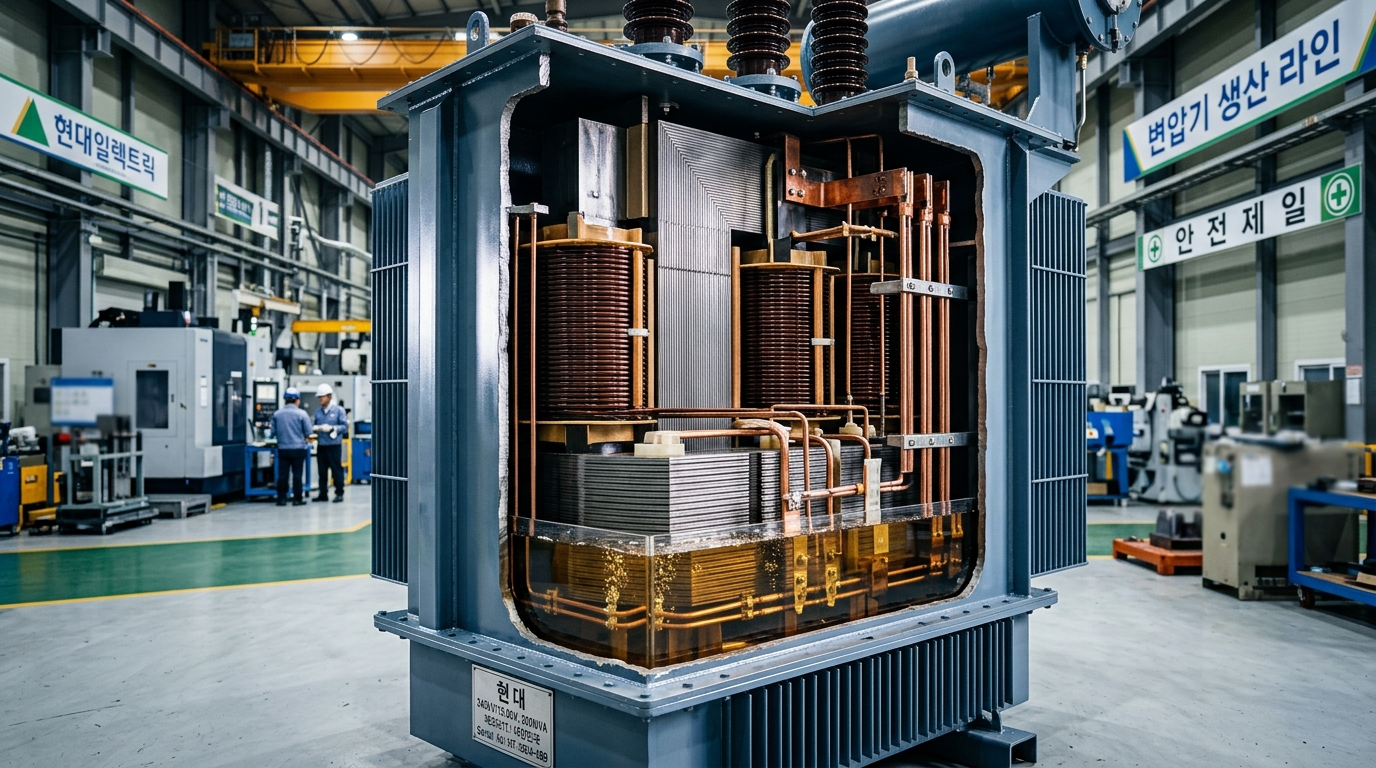
Inside a Transformer: Key Components & How They Work Together
Explore the critical components inside a power transformer, from the core to cooling systems, and discover how they synergize to ensure reliable, efficient power delivery. Learn about adherence to IEC 60076 and IEEE C57 standards for global markets.
Read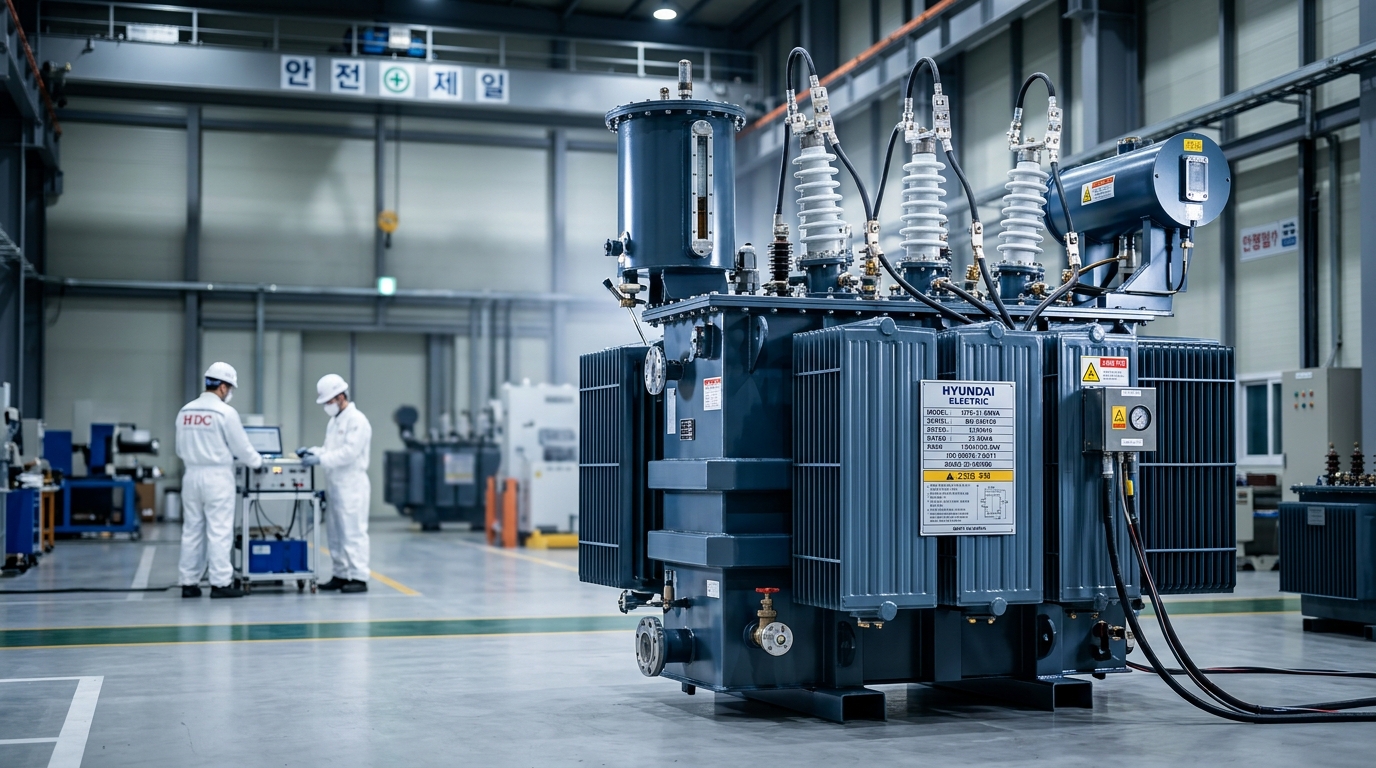
What Is a Transformer? Your Essential Guide to Powering the World
Demystify transformers with our simple guide for B2B professionals. Learn what a transformer is, how it works, its key components, and vital role in global power grids, adhering to IEC 60076 and IEEE C57 standards.
Read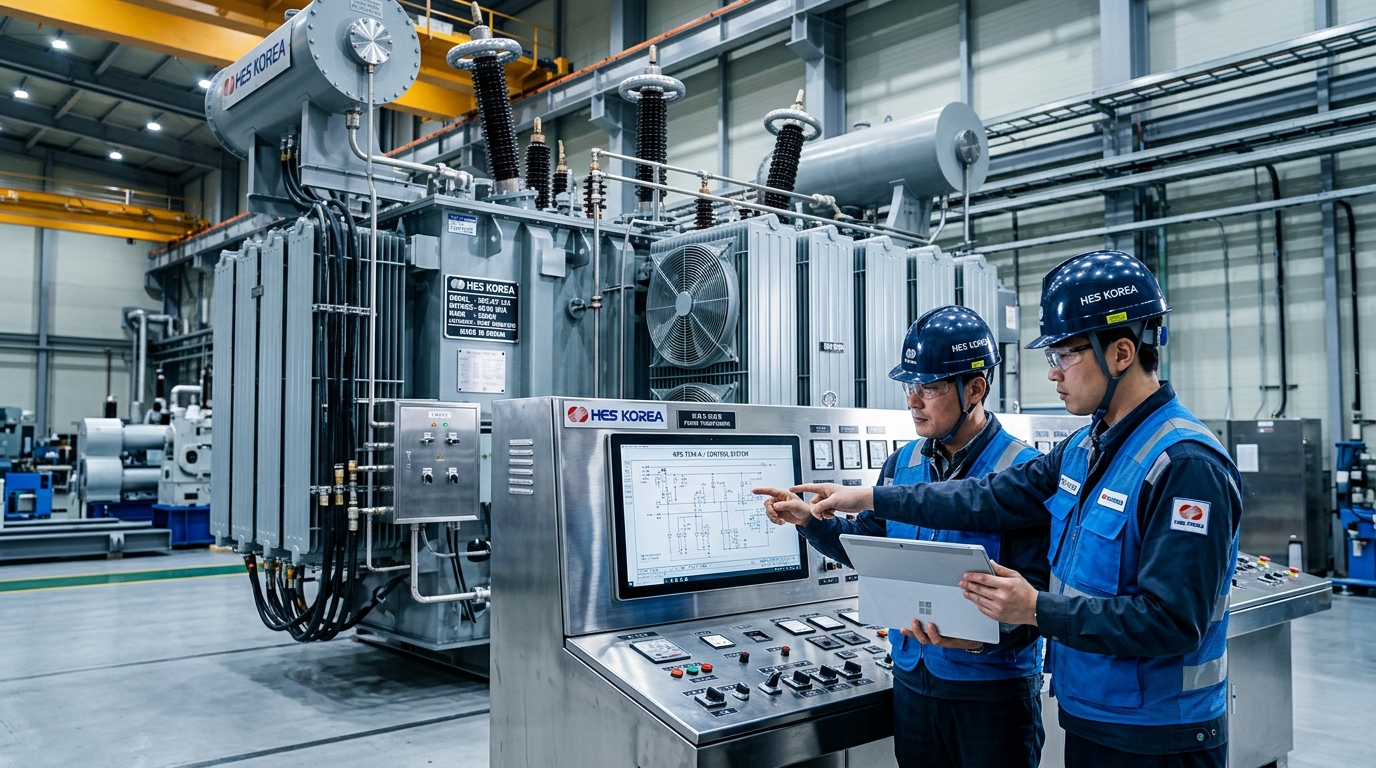
Choosing the Right Power Transformer: Industrial Buyer's Guide
Master power transformer selection for industrial use. Learn key factors: voltage, kVA, standards (IEC 60076, IEEE C57), types, and efficiency to ensure optimal performance and value.
Read