Power Transformers: Grid's Heartbeat from Basics to AI Power Crisis
Power Transformers: Grid's Heartbeat from Basics to AI Power Crisis
The Indispensable Role of Power Transformers in Global Energy Grids
In the intricate ballet of global energy distribution, power transformers are the unsung heroes, silently ensuring the reliable flow of electricity that powers industries, cities, and homes. As the world grapples with escalating energy demands, propelled by unprecedented technological advancements like artificial intelligence and a pervasive push towards electrification, the fundamental role of these critical components becomes ever more pronounced. This article delves into the core function of power transformers, the essential global standards governing their quality, crucial considerations for procurement, and their pivotal role in navigating the energy challenges of tomorrow, particularly in the face of the emerging AI power crisis.
What is a Power Transformer?
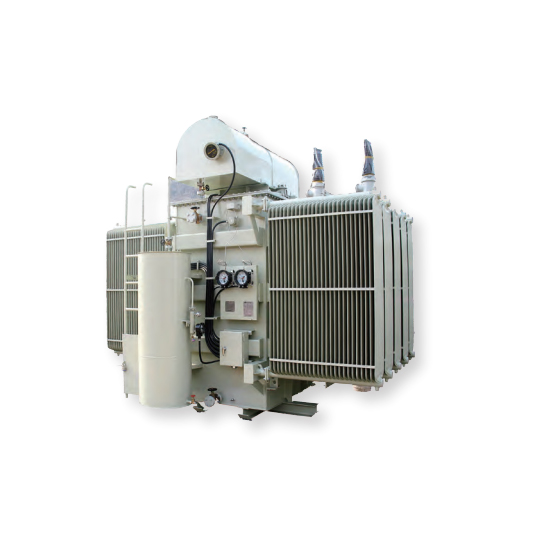
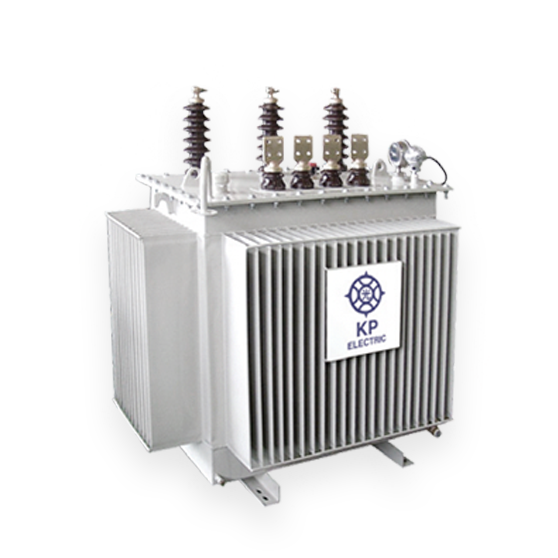
At its core, a power transformer is a static electrical device that transfers electrical energy between two or more circuits through electromagnetic induction. Its primary function is to step up or step down voltage levels in AC circuits, minimizing energy loss during transmission over long distances and adapting voltage for safe and efficient use by end-consumers. Without transformers, the efficient and economical transmission of electricity from power generation plants to consumption points would be impossible.
- Generator Step-Up (GSU) Transformers: Boost voltage from generators to transmission levels.
- Transmission Transformers: Facilitate energy transfer within the high-voltage transmission network.
- Substation & Distribution Transformers: Step down voltage for distribution to industrial, commercial, and residential users.
Why are They Critical for Grid Stability?
Power transformers are the backbone of grid stability. By enabling efficient voltage regulation, they prevent power fluctuations that can lead to system instability, equipment damage, or widespread blackouts. They are instrumental in isolating faults, balancing load, and ensuring the seamless integration of diverse energy sources, including volatile renewables, into the grid. Their robust design and reliable operation are paramount for maintaining an uninterrupted power supply, which is increasingly vital for modern societies and economies.
Global Standards and Certifications: Ensuring Quality and Compatibility
The global nature of the energy industry necessitates stringent international standards to ensure the safety, interoperability, and reliability of power transformers. Adherence to these standards is not merely a regulatory requirement but a guarantee of quality and performance, critical for utility companies, EPC contractors, and industrial project managers worldwide.
IEC 60076: The International Benchmark
The International Electrotechnical Commission (IEC) 60076 series is the globally recognized standard for power transformers. It specifies general requirements, test procedures, and performance criteria for various aspects, including:
- Temperature Rise Limits: Ensures operational longevity and prevents insulation degradation.
- Insulation Levels: Defines withstand capabilities against overvoltages.
- Short-Circuit Withstand Capability: Guarantees the transformer can endure fault currents.
- Sound Levels: Addresses environmental impact, particularly in urban substations.
- Losses and Efficiency: Crucial for operational cost and environmental considerations.
Compliance with IEC 60076 signifies that a transformer meets rigorous international benchmarks for design, manufacturing, and testing, making it suitable for deployment in most global markets.
KEPCO Certification: A Mark of Excellence from South Korea
For buyers seeking an elevated level of quality assurance, KEPCO (Korea Electric Power Corporation) certification stands as a testament to unparalleled reliability and advanced engineering. KEPCO, one of the world's largest electric utilities, imposes exceptionally stringent design, manufacturing, and testing standards that often surpass those mandated by IEC. Transformers approved by KEPCO undergo exhaustive qualification processes, including:
- Extended operational endurance tests.
- Advanced partial discharge measurements.
- Robust mechanical and seismic testing for resilience in diverse environments.
Procuring KEPCO-certified transformers, especially from leading South Korean manufacturers, offers a distinct advantage: a proven track record of superior performance, enhanced durability, and extended operational lifespan under challenging conditions. This makes them highly sought after by global utilities and industrial clients who prioritize long-term reliability and minimal maintenance.
IEEE C57: North American Requirements
While IEC 60076 is dominant globally, the Institute of Electrical and Electronics Engineers (IEEE) C57 series is the prevailing standard in North America. These standards cover design, testing, and operational requirements specific to the U.S. and Canadian markets. While there are similarities with IEC, buyers operating in or supplying to North America must ensure compliance with IEEE C57, or procure equipment that is dual-certified.
Navigating the Market: A Buyer's Guide to Power Transformer Procurement
Acquiring power transformers is a significant capital investment. Careful consideration of various technical, logistical, and financial factors is essential for successful project execution and long-term operational efficiency.
Key Considerations for Procurement
- Voltage & Power Rating (MVA): Accurately match the transformer’s capacity to the grid’s requirements, anticipating future load growth.
- Insulation Type: Select between oil-immersed (more common for large power transformers due to superior cooling and insulation properties) and dry-type (for indoor applications, fire safety).
- Cooling Method: Options like ONAN (Oil Natural Air Natural), ONAF (Oil Natural Air Forced), OFAF (Oil Forced Air Forced) impact size, cost, and efficiency.
- Losses and Efficiency: Evaluate no-load and load losses. Higher efficiency reduces operational costs over the transformer’s lifespan.
- Environmental Factors: Consider ambient temperature, altitude, seismic activity, and potential for corrosive environments.
- Lead Time and Logistics: Power transformers are large, heavy, and complex. Plan for manufacturing lead times, specialized transportation, and installation.
- After-Sales Support & Maintenance: Ensure availability of spare parts, technical support, and experienced maintenance teams.
Why Choose KEPCO-Certified Korean Transformers?
South Korea has emerged as a global leader in power transformer manufacturing, renowned for its technological prowess, stringent quality control, and adherence to both IEC and KEPCO standards. For global buyers, opting for KEPCO-certified Korean transformers offers compelling advantages:
- Unmatched Reliability: Proven performance in some of the world’s most demanding grids.
- Advanced Technology: Integration of smart features for grid modernization, remote monitoring, and predictive maintenance capabilities.
- Lifecycle Cost-Effectiveness: Superior durability and efficiency translate to lower operational expenses and longer service life.
- Global Export Expertise: Experienced manufacturers capable of handling complex international logistics and project requirements.
The Future Grid: Powering AI and Addressing the Energy Crisis
The global energy landscape is undergoing a profound transformation. The surging demand for electricity, largely driven by the explosive growth of Artificial Intelligence (AI) and data centers, is creating an unprecedented strain on existing grids, necessitating massive upgrades and strategic foresight.
The AI Energy Crunch: A New Demand Paradigm
AI models and the vast data centers that house them are notoriously energy-intensive. Training advanced AI models can consume electricity equivalent to thousands of households, while operating these facilities requires continuous, high-density power. This new paradigm of demand poses significant challenges:
- Rapid Load Growth: Traditional grid planning struggles to keep pace with the exponential power needs of AI clusters.
- Grid Capacity Constraints: Existing transmission and distribution infrastructure often lacks the capacity to deliver the required power without significant upgrades.
- Sustainability Imperatives: The energy footprint of AI exacerbates climate concerns, pushing for renewable energy integration and ultra-efficient electrical equipment.
Power transformers are at the absolute forefront of this challenge. They are indispensable for delivering the massive, stable power required by data centers, from stepping down ultra-high transmission voltages to precisely conditioning power for server racks. The efficiency and reliability of these transformers directly impact the operational costs and environmental footprint of AI infrastructure.
Smart Transformers and Grid Modernization
The response to these evolving demands lies in grid modernization and the deployment of advanced power transformer technology. “Smart transformers” are emerging as a key solution:
- Digital Integration: Equipped with sensors, communication modules, and processing capabilities for real-time monitoring of voltage, current, temperature, and other vital parameters.
- Predictive Maintenance: AI-driven analytics can predict potential failures, allowing for proactive maintenance and reducing downtime.
- Enhanced Resilience: Smart transformers can rapidly respond to grid disturbances, reroute power, and optimize voltage, improving overall grid stability and resilience.
- Renewable Energy Integration: Facilitate the efficient integration of intermittent renewable sources by providing dynamic voltage regulation and power flow control.
Investing in such advanced, robust, and standards-compliant transformers is not just about meeting current needs but about future-proofing energy infrastructure against the complexities of the AI-driven energy crisis and the broader transition to a sustainable, smart grid.
Powering Tomorrow's World with Reliable Transformers
From their fundamental role in enabling efficient energy transmission to their critical position in navigating the complex demands of the AI era, power transformers remain the indispensable heartbeat of our electrical grids. As global energy consumption continues its upward trajectory, driven by industrialization, electrification, and technological innovation, the choice of high-quality, reliable, and standards-compliant power transformers becomes paramount. Partner with trusted experts and manufacturers who adhere to stringent global standards like IEC 60076 and offer the exceptional assurance of KEPCO certification. Invest in the future of your grid; invest in superior transformer technology today.
Recommended Products
Discover related products from our store